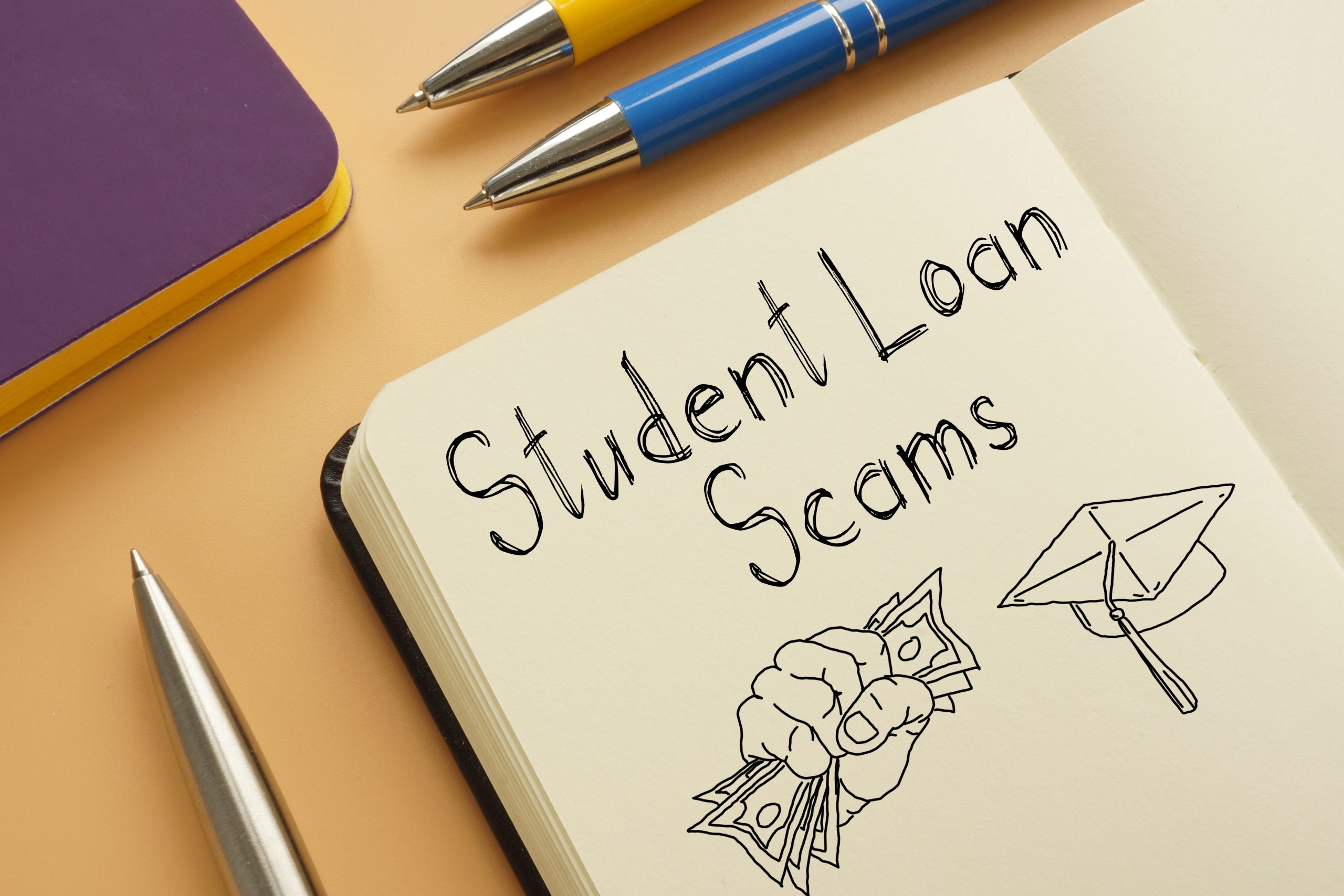
Students are being urged to stay vigilant against online scams as the new academic year begins, with the Student Loans Company (SLC) issuing a stark warning about the rise of smishing and phishing attacks aimed at targeting maintenance loan payments.
As thousands of students across the UK receive their first instalments of the 2024/25 academic year, SLC warns that fraudsters are stepping up efforts to trick students into revealing personal and financial information via fake text messages and emails. This form of fraud, known as “smishing,” involves scammers sending messages that appear to come from trusted sources like the SLC, encouraging recipients to click on links and share sensitive details.
Franz Ostendorff, fraud expert and author at CasinoRevisor, explained how scammers take advantage of this critical time. “Scammers target students as they receive their first maintenance loan payment,” he said. “According to the Student Loans Company, SLC expects to pay £2 billion to students over the autumn term alone. Last year, the company managed to block £2.9 million in fraudulent payments that would have otherwise been stolen through smishing and phishing scams.”
Ostendorff outlined how these frauds typically operate, with scammers often using alarming messages to create a sense of urgency. “Smishing involves text messages asking students to verify their bank details or personal information, usually by clicking a link. Once students engage with these messages, their personal and financial data can be compromised,” he warned.
SLC Urges Caution
The SLC has reiterated that it will never ask students to provide or confirm their personal or financial details via email or text message. A spokesperson for the organisation stressed that students should be extra cautious in the coming weeks and remain aware of potential fraud attempts.
“At no point will SLC or Student Finance England (SFE) contact students through WhatsApp, social media channels, or unsolicited phone calls,” the spokesperson said. “Any communication that conveys an urgent tone or pushes for immediate action should be treated with suspicion. Genuine communications from SLC will not demand an instant response or request sensitive information via text or email.”
Advice for Students
Ostendorff offered some practical advice for students preparing to start university, urging them to remain sceptical of unexpected messages during the loan payment period. “Students should avoid clicking on any links or providing information over the phone without first confirming the authenticity of the call or email. Even if the message looks legitimate, it’s important to double-check.”
He also advised students to be on the lookout for poor grammar, misspellings, or unusual punctuation in the messages they receive—common hallmarks of phishing attempts. “If something feels off, it probably is. Be especially cautious if a message is pushing you to act quickly,” he added.
For students who are unsure about any communications they receive, the SLC recommends logging into their official online account to verify whether any action is required. “Logging in directly to your account is the safest way to check if something is genuine,” the spokesperson explained.
With an estimated £2 billion set to be distributed in student maintenance loans this term, SLC’s warning comes at a critical time. The company hopes that by raising awareness of these scams, it can help protect students from falling victim to fraud during the upcoming academic year.