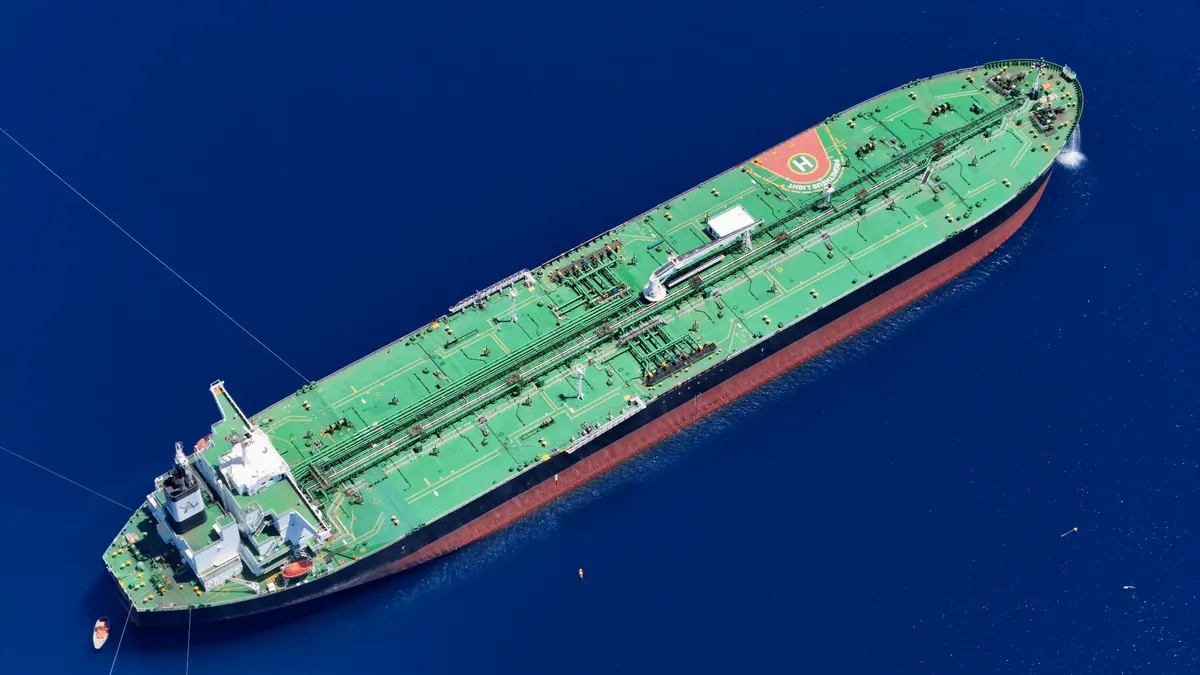
Royal Marine Commandos boarded a sanctioned Russian shadow fleet vessel in the English Channel in the early hours of Sunday, in what the UK’s Ministry of Defence (MoD) described as the first UK-led operation of its kind. The vessel, named SMYRTOS, was intercepted alongside officers from the National Crime Agency as it attempted to pass through one of the world’s busiest shipping lanes.
UK Prime Minister Keir Starmer said he directed the interception personally. ‘This successful operation delivers yet another blow to Russia and reminds those fueling Putin’s war in Ukraine that we will not let them hide,’ Starmer said in a post on X. The vessel is now being held off the UK’s south coast while investigations continue, the MoD confirmed.
A tanker with a history of evasion
The SMYRTOS had been making its way west for several days before Sunday’s operation. According to the BBC, the vessel began its journey on 5 June from Ust-Luga, an oil terminal near St Petersburg in Russia, before crossing into the Channel on Saturday.
The tanker’s background reveals a pattern of attempts to obscure its identity. The BBC reports it was sanctioned in July 2025 and has since changed its name, from Myrtos to Smyrtos, as well as switching the flag it sails under twice. Changing names and flags are common tactics used by shadow fleet operators to evade detection and enforcement by Western authorities.
Defence Secretary Dan Jarvis, in the MoD’s statement, said the UK has now sanctioned more than 500 vessels in its effort to tackle the shadow fleet. The shadow fleet refers to a network of oil tankers used to transport Russian crude in violation of international sanctions, often operating under obscure ownership structures and registrations in countries that have not joined Western sanctions regimes.
Royal Marine Commandos shadow fleet action fits a wider crackdown
Sunday’s boarding is part of a broader tightening of enforcement across Europe. Earlier this week, Russia condemned a European Union decision to expand the mandate of Operation IRINI, its naval mission in the Mediterranean. The EU said on Monday it had widened that mission, which was originally established to enforce a United Nations arms embargo on Libya, to also allow EU vessels to stop and inspect foreign ships suspected of carrying Russian oil in breach of sanctions.
Russian Foreign Ministry spokeswoman Maria Zakharova said the move posed a threat to maritime security and accused the EU of intimidating civilian vessels. She also argued that there is no basis in international law for the term ‘shadow fleet’, calling it a ‘political fabrication’ by the EU.
The scale of the shadow fleet has grown considerably since Western governments imposed a $60-a-barrel price cap on Russian oil exports in December 2022, according to US-based think tank the Atlantic Council. Shipping broker BRS estimated in August 2025 that vessels engaging in illicit trading, some of which may be sanctioned, represent 18.2% of global oil tanker tonnage. That figure underlines just how large a parallel system of oil transportation has developed in the years since the price cap came into force.
The SMYRTOS boarding is a concrete demonstration that UK authorities are now willing to physically intercept vessels rather than rely solely on sanctions listings. For a tanker that had already changed its name and flag in an attempt to slip past detection, the Channel proved to be no safe passage. The MoD has said investigations are ongoing, meaning further details about the vessel’s cargo, ownership and intended destination are likely to emerge in the coming days.