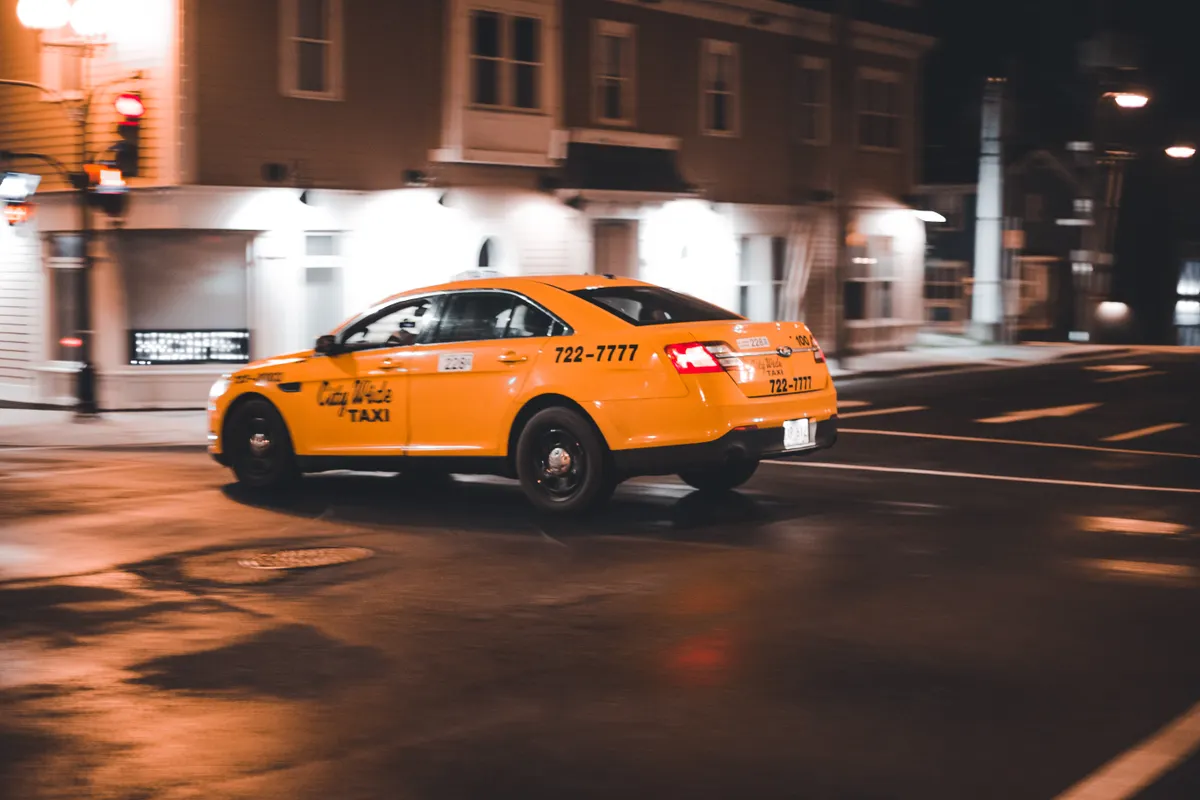
A proposed North Tyneside taxi fare hike of 8% is facing pushback from local councillors who say residents are already struggling with the cost of living, even as drivers cite soaring fuel and parts costs as the reason behind the request.
The North Tyneside Hackney Carriage Association (NTHCA) has asked North Tyneside Council to approve the increase, which would bring the average cost of a three-mile journey to £5.52 per mile. The proposed rises apply only to hackney carriages (the type that can be hailed on the street or picked up at a taxi rank) and not to vehicles that must be pre-booked.
What the North Tyneside taxi fare hike would mean in practice
Beyond the headline rate rise, a range of additional charges have also been proposed. Fines for car theft would increase from £125 to £130, and charges for carrying dogs and other animals, excluding service dogs, would rise from £3 to £4. The NTHCA pointed to high fuel prices and soaring vehicle parts costs as the main drivers behind the request, alongside the broader cost-of-living pressures affecting the trade.
Hackney carriage drivers operate differently from private hire vehicles in that they are permitted to pick up passengers who flag them down in the street or join a queue at a rank. The fares they can charge are set and regulated by the council, which means any increase must go through a formal approval process.
Councillors seek a more balanced arrangement
Labour councillor John O’Shea said he was not comfortable with the full 8% proposal, calling for a different approach. ‘I just don’t think we have got the right balance,’ he said. ‘I notice that the taxi trade has had significant uplifts in fuel and insurance and things like that, so they’ve been suffering for a little while.’
O’Shea acknowledged the pressures facing drivers but said the impact on passengers could not be ignored. ‘There are residents in North Tyneside who have been suffering as well with the cost of living,’ he added. His suggestion, directed at the director of public health, was to ‘look at a balanced arrangement, not the 8% that has been suggested.’ Concerns were also raised by other councillors about the potential effect on elderly residents in the borough.
The North Tyneside taxi fare hike proposals are not yet finalised. Under the process set out by the council, the director of public health would need to approve the changes before they could move forward. Once approved, the proposals would be made public for a minimum of 14 days and would be open to objections from residents and other interested parties during that period.
That consultation window gives residents, including those on fixed incomes or who rely heavily on taxis for everyday travel, a formal opportunity to register opposition before any increase takes effect. It is not yet clear when that process might begin.
The debate reflects a tension that local authorities across England have faced as the cost-of-living squeeze has tightened. Taxi drivers, who cover their own fuel, insurance and maintenance costs, have seen those overheads climb sharply. At the same time, councils setting regulated fares must weigh the viability of the trade against affordability for passengers who may have few other transport options.
The NTHCA’s case for the North Tyneside taxi fare hike rests on those rising operating costs, but the final shape of any approved increase will depend on what the director of public health and the wider council judge to be proportionate. Residents will have their say once, and if, the formal consultation opens. Updates from BBC North East are available online, and local coverage can also be followed via BBC Sounds through Radio Newcastle.