Peterborough bed poverty is leaving children sleeping on piles of clothes and bare floors, according to a local furniture bank that plans to spend £80,000 this year on beds and mattresses for families in need. The charity, Care Zone, described scenes of families of five sharing a single room with nowhere to cook and no proper place to sleep.
‘Many children are sleeping on a pile of clothes, or maybe just on the hard floor,’ said Ashley Wilcox from Care Zone. ‘That’s not good enough.’
What Care Zone does and who runs it
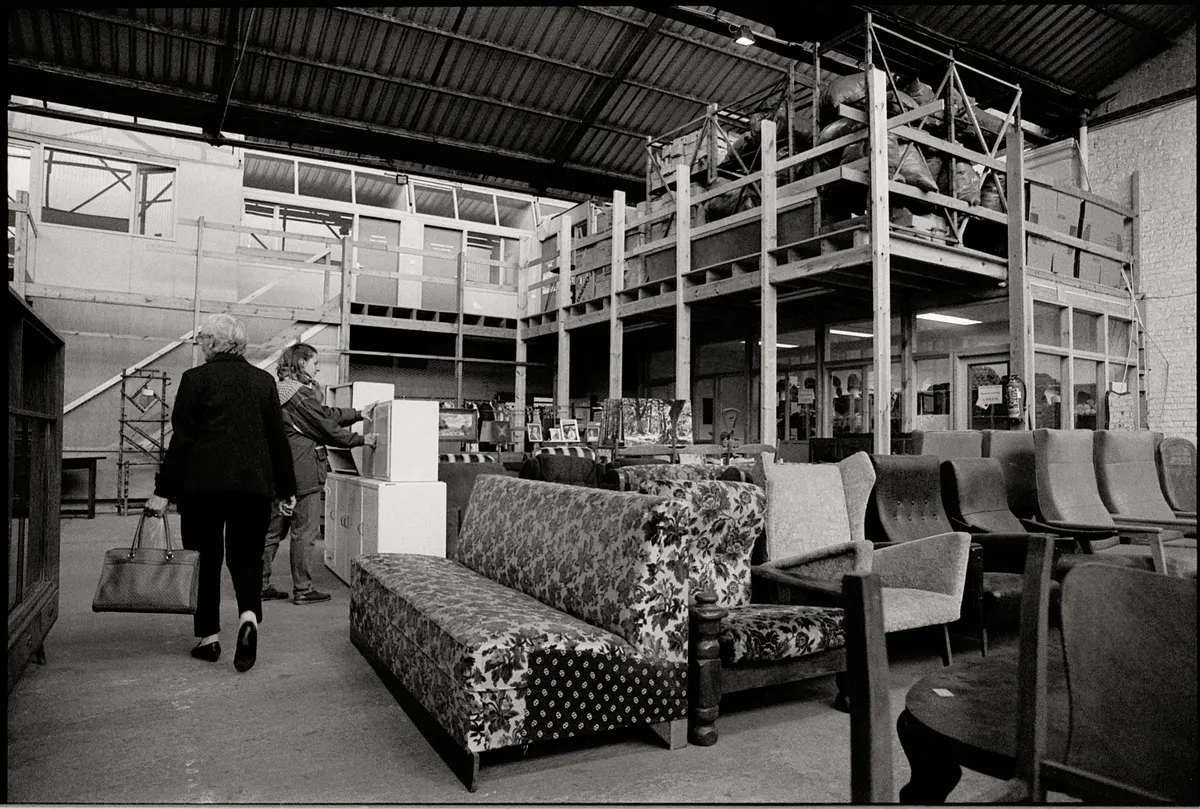
Care Zone operates from a warehouse on the edge of Peterborough. According to Peterborough Matters, it is a recycling furniture project run by Kingsgate Community Church. Volunteers clean and repair donated furniture and other household goods before passing them on to families who need them.
Last year, Care Zone gave out more than 3,500 larger items and 425 smaller items, such as saucepans and tin openers. Of the 1,900 people who used Care Zone last year, about 845 were children. This year, the warehouse is stocked with brand new mattresses ready for distribution.
Support also comes from outside the charity sector. The RHA sends teams to assist Care Zone four times a year, helping to build flat-pack furniture. That kind of practical, hands-on backing allows the charity to turn donated goods into usable home furnishings more quickly.
Care Zone is part of the council’s crisis resilience fund, a network of organisations helping people with food parcels, advice and other services. Families are referred through organisations such as the council or their GP, and anyone can donate items to the charity directly.
Peterborough bed poverty children and the impact on schooling
Wilcox said tackling bed poverty was a priority because of its effect on children’s education. ‘For children in particular, a good night’s sleep is really essential,’ he said. ‘By giving them a bed, they have a much better chance at doing better in school.’
He described the circumstances many families arrive in: ‘We see families that have basically been in temporary accommodation. There might be a family of five in one single room sharing a few beds, sleeping on the floor, nowhere to cook.’
About one-third of children in Peterborough are thought to be living in poverty, according to data published by the Department for Work and Pensions from 2024 and 2025, compared with a UK average of 26%. Esther Baffa-Isaacs, from the city council’s poverty prevention team, said child bed poverty was a ‘significant’ issue and that ‘it has an impact on educational attainment’.
Council response and unclaimed benefits
Peterborough City Council said it was working with local charities to reach as many families in crisis as possible. Baffa-Isaacs said the authority recently wrote letters to 3,200 households it had identified as being in a ‘crisis state’, checking they were claiming the correct benefits and knew where to find support. ‘That was what it came down to, just saying, “you have help”,’ she said.
A study by Policy in Practice found people in Peterborough were missing out on £92m from unclaimed benefits. Baffa-Isaacs said there was ‘much more we can do’ to reach people in crisis.
Zameer Ali, the council’s cabinet member for communities and public safety and a Labour councillor, said the authority was ‘doing everything’ to reach people. He flagged language barriers as one obstacle, noting that in some cases a parent may rely on their child to translate. ‘We don’t want you to go without and we certainly do not want you or your children to fall into any form of hardship,’ he said. ‘What you need to do is reach back to us and say “I need help”.’