Argentina’s President Javier Milei has escalated his country’s long-running claim over the Falkland Islands, announcing plans for Milei Falklands oil sanctions targeting companies involved in a major offshore drilling project, as an Argentine court separately ordered all work on the same project to stop.
In a nationally televised speech, Milei said Argentina would ‘need to recover’ the islands, which Argentina calls Las Malvinas. He called on the country to ‘not stand idly by’ and ‘show a united front to the world,’ according to Sky News. The Falklands are a self-governing British overseas territory situated roughly 500 kilometres east of the southern coast of Argentina. Britain has administered the islands since 1833, and Argentina fought a brief war over them against Britain in 1982.
Sea Lion project at the heart of the Milei Falklands oil sanctions push
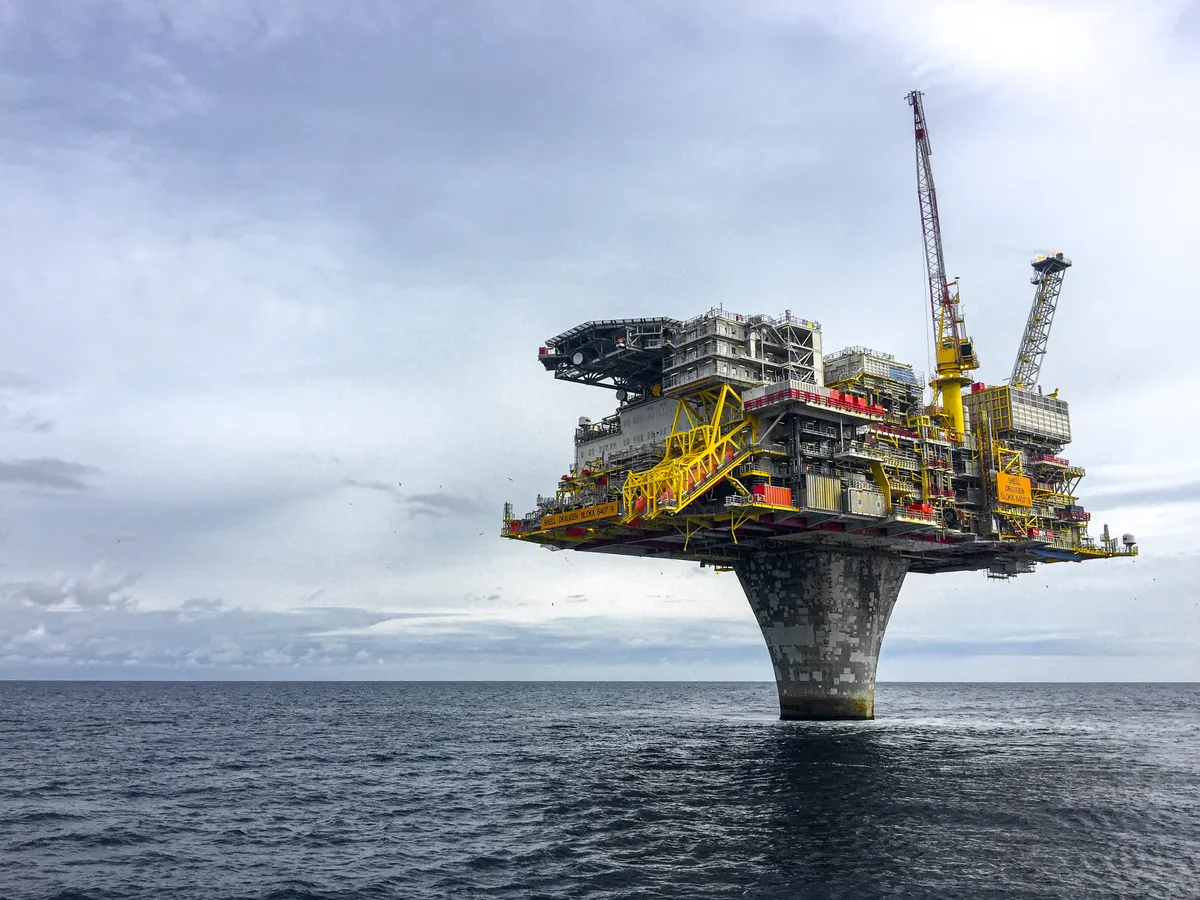
The economic penalties Milei announced are aimed at halting development of the Sea Lion oil project, an offshore venture located roughly 220 kilometres north of the Falkland Islands. Argentina regards the project as an unlawful exploitation of resources in waters it considers its own.
According to Reuters, Navitas Petroleum holds a 65% stake in the Sea Lion field, with London-listed Rockhopper Exploration owning the remainder. The project is targeting its first oil in early 2028, with Phase 1 expected to produce at a rate of 50,000 barrels per day. Rockhopper Exploration declined to comment on Milei’s announcements; Navitas Petroleum had not responded at the time of publication.
Separately, an Argentine federal judge ordered companies to refrain from starting or continuing any work needed to develop Sea Lion. According to Anadolu Agency, the order covers drilling, subsea installations and the start of commercial oil production. It followed a lawsuit brought by the Center of Ex-Combatants of the Falkland Islands in La Plata, alongside an environmental lawyers’ association, which sought to stop the project on both environmental and sovereignty grounds. That judicial intervention adds a legal dimension to the dispute that goes beyond the political pressure Milei’s speech alone represents.
Trump’s ambiguity and the shifting diplomatic backdrop
Milei’s speech came shortly after U.S. President Donald Trump declined to say whether Washington would assist Britain if a future conflict over the Falklands arose. In an interview with GB News earlier in the week, Trump hinted the U.S. would not back Britain over the islands, citing a perceived lack of British support for the Iran war. Trump had previously suggested Washington could revise its neutral position on the question of the islands’ sovereignty if Britain failed to raise its defence spending.
Milei, who often presents himself as a Latin American ideological counterpart to Trump, used his speech to tout his close relationship with the U.S. president. He said the White House is considering a change in its position on the Falkland Islands because Argentina has shown that it ‘can be a valuable ally in the decades to come.’ The framing positions Milei’s push as part of a broader realignment, with Argentina seeking to leverage its ties with Washington as diplomatic cover for a more assertive stance.
The speech appeared to mark a shift in tone. Milei had previously prioritised diplomacy on the Falklands question as he sought to improve ties with Britain.
London’s response: ‘commitment is absolute’
The British government was swift to push back. U.K. Defense Minister Wes Streeting said Milei’s statement ‘tells us more about domestic politics in Argentina than it does about the Falkland Islands.’ In a social media post, Streeting added: ‘The Falklands are British because Falkland Islanders choose to be British. Our commitment to the Falklands is absolute and unshakeable.‘
With a court order now in place covering drilling and subsea work, and the Argentine president pressing ahead with plans for economic penalties, the companies behind Sea Lion face pressure on two fronts as the project’s early-2028 production target draws closer.