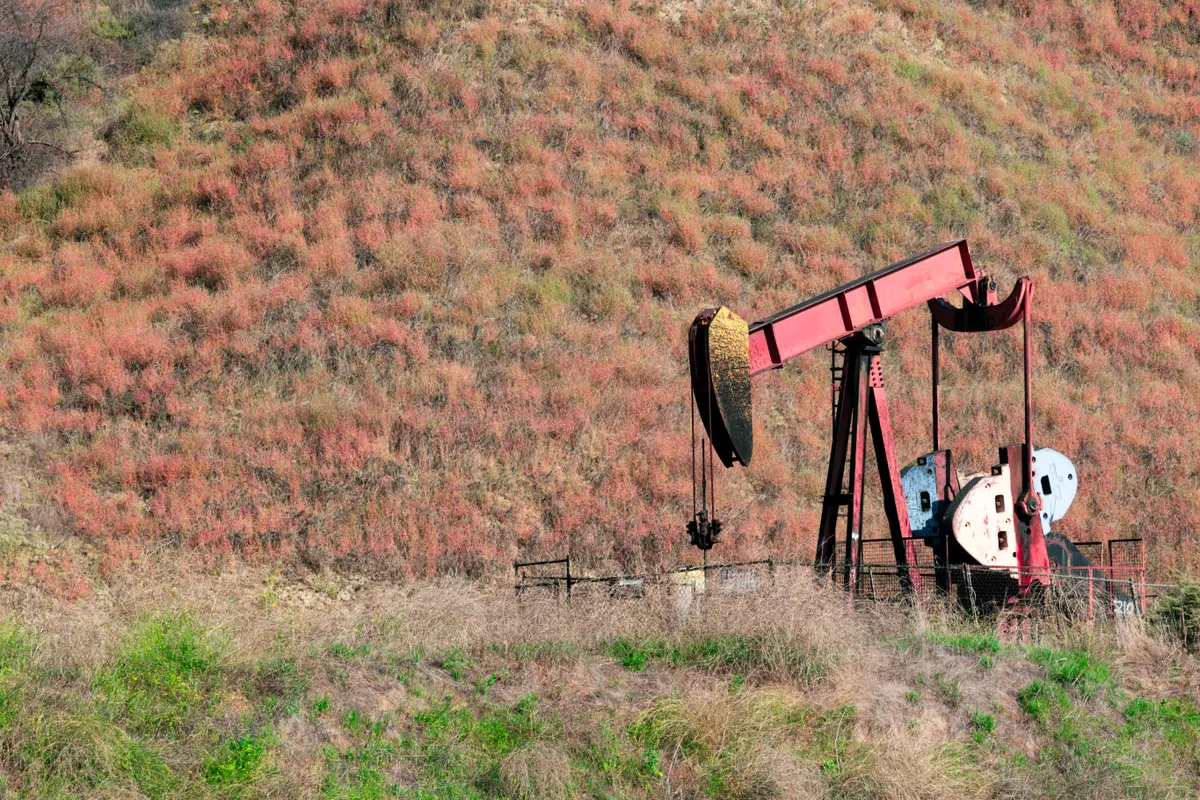
US diesel prices have reached an all-time high, driven by a surge in wholesale oil costs since the Iran conflict began at the end of February. The jump at the pump has angered voters across America, with President Donald Trump now betting that a sweeping new oil agreement with Venezuela can bring prices down.
Oil supplies have tightened sharply because Iran, responding to the war, has effectively closed the Strait of Hormuz, a narrow waterway south of the country through which a fifth of the world’s oil passes. That supply squeeze has pushed fuel costs to records, arriving at a painful moment for the White House: rocketing prices are feeding voter anger ahead of the midterm elections in November.
What the Venezuela deal involves
The agreement, announced on Saturday, centres on 17 strategic oil fields carrying a proven potential of 65 billion barrels. The US government will retain 55% control of a joint venture with a private operator in Venezuela, a US official told CBS News.
According to The Hill, the arrangement sets $19 for every barrel of oil produced and sold to the United States, generating an estimated $209 billion a year for Venezuela. That figure echoes what Interim Venezuela President Delcy Rodríguez said at the announcement, when she described “an investment of more than $100bn and more than $209bn in taxes” flowing to her country. NewsNation reported that Rodríguez also put a production target on the project: more than 1.5 million barrels per day.
The scale of the venture becomes clearer with some context. The Hill notes that the 65 billion barrels in the deal represent about 21% of Venezuela’s total proven reserves, which amount to 303 billion barrels. Meanwhile, SFG Media reports that the joint venture is expected to receive 100-year concessions on those fields, and is projected to become the world’s second-largest private oil company after Saudi Aramco.
In January, Nicolás Maduro, the former leader of Venezuela, was seized by US special forces following a raid authorised by Trump, clearing the way for Rodríguez’s interim government and, eventually, this new commercial arrangement.
Scepticism about whether it will work
The deal has not been universally welcomed. Some analysts have reacted with scepticism, questioning whether it would address the long-running obstacles that have deterred investment in Venezuela’s oil industry over many years. Getting production up to the levels Rodríguez described would require overcoming infrastructure, financing and institutional challenges that have kept Venezuela’s output well below its potential for years.
Trump, for his part, recently pledged to “substantially lower Gas Prices for all Americans” through an oil deal with Venezuela, framing the agreement as a direct response to the fuel crisis.
US diesel prices at all-time high, but unevenly spread
The pressure on American households is real, though not felt equally everywhere. According to data from AAA, those in Western states pay considerably more than those elsewhere, because of tax differences and their distance from US oil producers.
In Washington state, average diesel prices stand at $6.81 a gallon, compared with $5.03 a gallon a year ago. Petrol costs have also climbed sharply: the national average price per gallon has reached $4.15, up from $3.20 a year ago.
The political consequences are already visible. According to recent Reuters/Ipsos polling, Trump’s approval rating has fallen to 33%, with just 31% of Americans approving of the conflict with Iran. That backdrop explains the urgency behind the Venezuela deal: with US diesel prices at all-time high levels and midterm elections approaching, Trump needs something to show at the pump.
Whether the Venezuela agreement can deliver lower prices quickly enough is a question the deal’s sceptics are already raising, given the scale of investment and development work that would be needed to bring those 65 billion barrels to market.