The Iran war cost, according to a Pentagon inspector general report released this week, has reached an estimated $33.4 billion as of 29 June, as Iranian Foreign Minister Abbas Araghchi prepares to visit China for talks that carry weight well beyond the bilateral relationship.
The US Department of Defense submitted the lead inspector general report to Congress on Monday, covering the conflict through to the end of June. It lays out a sobering picture of material losses: hundreds of buildings and structures at US bases across the Middle East damaged or destroyed, dozens of US aircraft struck, and physical damage to American diplomatic facilities in Iraq, Kuwait, Saudi Arabia and the United Arab Emirates totalling $184 million.
Aircraft losses and the Iran war cost in detail
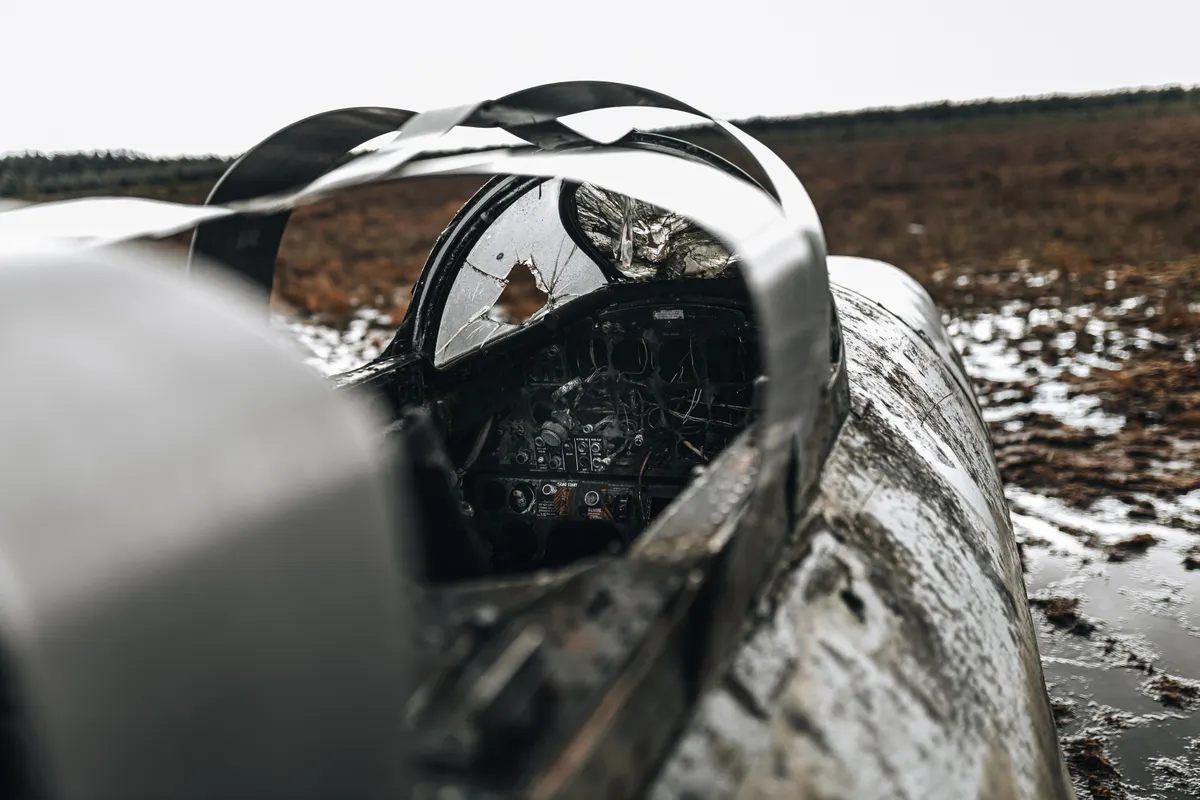
Among the aircraft losses, the report documents a fifth-generation F-35A damaged by enemy fire, the first time any aircraft of that type has suffered battle damage. Four F-15E fighter jets and an A-10 ground attack aircraft were destroyed by the end of June. Seven KC-135 refuelling aircraft were damaged or destroyed, along with seven helicopters and more than 30 drones.
The cost of those losses is considerable. The F-35A carries a price of $92 million per plane, while the F-15E was valued at $31.1 million in 1998, according to the US Air Force. The report also found that the expenditure of US munitions had ‘resulted in strategic inventory shortfalls and revealed industrial base bottlenecks for munitions resupply.’ Before the report’s publication, President Donald Trump posted that the US ‘is producing more Exquisite and Elite Weapons than at any time in our History.’
The conflict has also drawn in competing diplomatic currents, with Araghchi’s trip to Beijing on Wednesday sitting at the centre of several overlapping pressures.
Araghchi China talks and the broader diplomatic context
Beijing’s Foreign Ministry confirmed the visit in a short statement, saying that Wang Yi, member of the Political Bureau of the CPC Central Committee and Foreign Minister, would hold talks with Araghchi on 16 September. China has continued to call for a ceasefire and a negotiated settlement that would uphold Iran’s sovereignty and reopen the Strait of Hormuz.
The meeting follows one that took place only days earlier, when Wang and Araghchi met on the sidelines of the BRICS summit in New Delhi, according to the Global Times. The pace of contact underlines how much ground both sides want to cover.
According to Friends of Socialist China, the Beijing talks were expected to cover bilateral relations and the implementation of the 25-year comprehensive strategic cooperation agreement between Tehran and Beijing. That long-term pact gives the meetings a structural significance beyond any single conversation about the current conflict.
Wang has also urged Iran and the United States to return to the Islamabad memorandum and rebuild the negotiating mechanism, according to Iran International. That public call positions Beijing as pushing for a return to a formal dialogue framework, rather than simply managing the fallout from continued fighting.
The diplomatic backdrop has grown more complicated in recent days. The US and its European allies, including France, Germany and the United Kingdom, successfully pushed the board of the United Nations nuclear watchdog, the International Atomic Energy Agency, to refer Iran to the UN Security Council, Al Jazeera reported. That referral adds a further layer of pressure ahead of Araghchi’s conversations in Beijing.
The wider diplomatic picture also includes a potential meeting between President Trump and Chinese President Xi Jinping in the US on 24 September, though Beijing has yet to confirm it. Trump dismissed Wall Street Journal reports at the weekend that Beijing had provided Iran with satellite imagery of a base in Jordan, aiding an Iranian attack that killed three US troops.
With the Iran war cost now formally documented at $33.4 billion and the IAEA referral to the Security Council now in place, the Araghchi visit to Beijing is the next concrete step in what has become a multilateral diplomatic scramble, with Wang’s call to return to the Islamabad memorandum setting the agenda China wants to pursue.