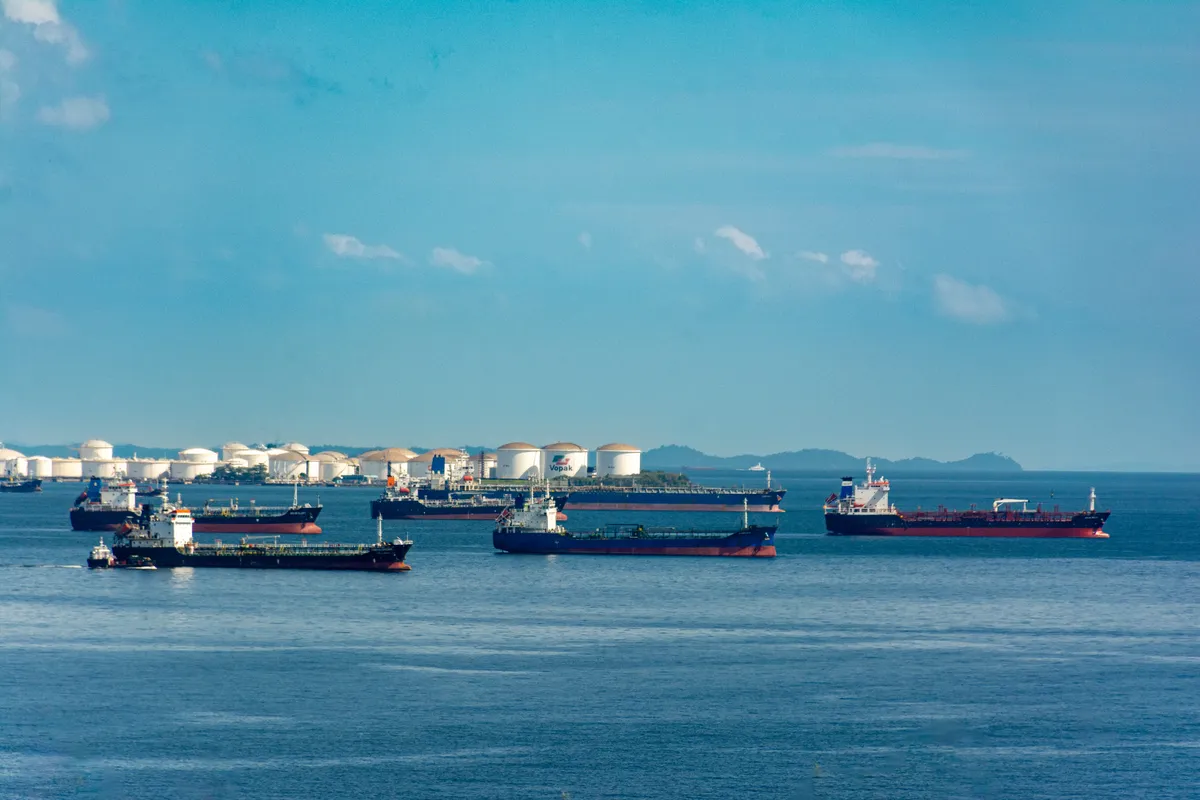
Oil prices fell sharply on Tuesday after US Energy Secretary Chris Wright said Strait of Hormuz oil traffic is ‘rising very meaningfully,’ easing some of the supply-disruption fears that have kept markets on edge for months. The move came even as Washington and Tehran continue to struggle to reach a deal on ending their more than three-month-old war, according to Reuters.
US crude oil futures fell 3.78% to $87.85 per barrel by 11:29am ET. Brent futures, the international benchmark, lost 3.31% to $91.13. Both moves reflect the market’s sensitivity to any signal (however tentative) that the world’s most important oil chokepoint may be starting to reopen.
What Wright Said About Strait of Hormuz Oil Traffic
Wright made his remarks in an interview with CNBC’s Brian Sullivan at the Atlantic Council Global Energy Forum. He said oil exports through Hormuz are rising and ‘will continue to rise,’ though he did not provide specific data on how much flows have increased.
The caution in that last point matters. Latest data from IMF’s PortWatch shows traffic remains depressed through Hormuz, CNBC reported, suggesting that while conditions may be improving at the margins, the waterway is far from operating normally. The gap between Wright’s upbeat tone and the PortWatch data underlines just how uncertain the situation remains on the ground.
Some oil is moving through the strait in less visible ways. The US Navy has quietly coordinated with some ships trying to exit the Persian Gulf, and JPMorgan analysts wrote in a 4 June note that more oil may be going through Hormuz than is publicly visible. The bank estimated that some 2 million barrels per day might be getting out on tankers that have switched off their transponders. ‘Despite the ongoing naval blockade and the steep decline in commercial traffic, surprising volumes of crude and petroleum products still appear to be transiting the Strait,’ the analysts said.
The Wider Conflict Keeping Strait of Hormuz Oil Traffic Uncertain
The backdrop to all of this is a war that has already triggered what has been described as the biggest oil supply disruption in history. Oil prices have surged about 30% since the US and Israel attacked Iran on 28 February. Tehran retaliated by attacking tankers in the Strait and mining the sea lane, causing traffic through Hormuz to plunge.
Trump has sought to pressure Iran into a deal by imposing a naval blockade on its ports and vessels. On Monday, he sought to reassure markets that an agreement with Tehran to reopen the strait was ‘two or three days away.’ He has made similar claims repeatedly, but such a deal has not materialised.
The path to any agreement has been made harder by renewed violence this week. The fragile ceasefire put in place in April nearly collapsed after Iran launched missiles at Israel in retaliation for its strikes in Lebanon. Israel struck back, and Trump pressured Israeli Prime Minister Benjamin Netanyahu to hold back from further attacks. Iran and Israel have since said they have ceased fire, and the volley of strikes appears to have ended without further escalation for now. Oil prices briefly spiked on Monday before falling back.
The broader market picture is one of uneasy calm. Oil industry executives and analysts say crude prices have remained relatively moderate compared with the scale of the disruption, largely because global stockpiles have provided a buffer. But they say prices will likely spike later in the year as those inventories rapidly decline at the same time summer demand reaches its peak. How quickly Strait of Hormuz oil traffic recovers, and whether Washington and Tehran can close the gap between talking and a real deal, will go a long way to determining whether that warning comes true.