Iran’s trade has fallen by between 25% and 35% under the combined pressure of US sanctions and a naval blockade, with imports hit harder than exports, President Masoud Pezeshkian has said. The Iran trade sanctions impact is now being felt across the country’s economy, Pezeshkian acknowledged in a late Friday interview with state television, while Supreme Leader Mojtaba Khamenei separately called for the country to move away from the US dollar.
Speaking in an interview translated from a Tasnim News transcript via Google, Pezeshkian was direct about what the figures mean. ‘Our exports have decreased, but imports have decreased more,’ he said. ‘The decrease in exports is slightly less than the decrease in imports, and imports have decreased significantly.’ He added: ‘Saying that sanctions have no effect is not consistent with these facts.’
Operation Economic Outcast targets Iran’s banking routes
The pressure has been building fast. US Treasury Secretary Scott Bessent launched what the Treasury is calling ‘Operation Economic Outcast’ on 24 August 2026, according to the US Department of the Treasury. The campaign is aimed at severing all of Iran’s economic ties worldwide.
One of its first moves targets the UAE operations of Egyptian bank Banque Misr. The Treasury Department on Friday proposed cutting off Banque Misr UAE’s correspondent banking access to US financial institutions over alleged financial ties to Iran. The bank said in a statement Saturday that it is cooperating with relevant authorities and that the regulatory action is limited to its UAE branch, which continues to serve its customers.
The scale of the alleged activity is substantial. According to analysis by FinCEN, the financial intelligence unit of the US Treasury, 103 companies potentially part of Iran’s shadow banking network transacted approximately $1.8 billion through accounts at Banque Misr UAE between January 2024 and June 2026, including approximately $520 million in the most recent 12-month period, as reported by Financial Services Perspectives. The Banque Misr case is part of a broader picture: a separate FinCEN Financial Trend Analysis identified approximately $9 billion of potential Iranian shadow banking activity conducted through US correspondent accounts in 2024 alone, according to Paul Hastings. That figure gives a sense of the scale of the financial network the Treasury is now moving to dismantle.
Iran trade sanctions impact hits crude oil exports hardest
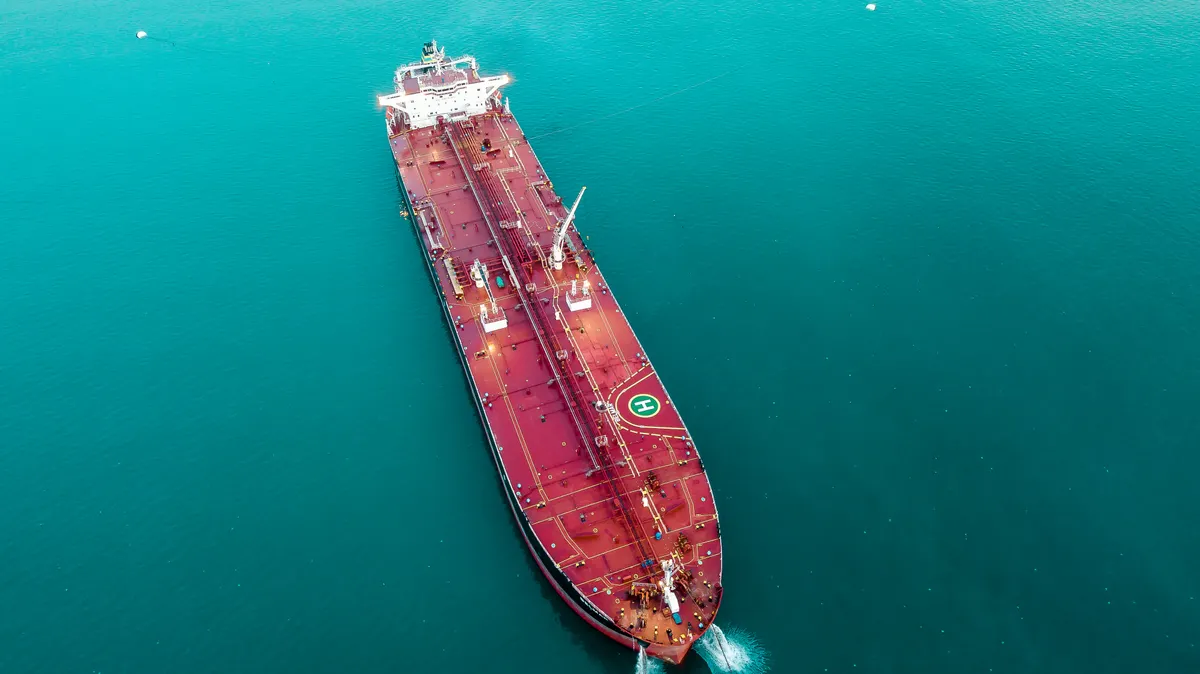
The blockade, which President Donald Trump reimposed on 14 July in retaliation for Iran attacking oil tankers transiting the Strait of Hormuz, has delivered a severe blow to crude exports. Tehran has loaded about 260,000 barrels per day for export at its ports so far this month, down more than 80% from 1.7 million barrels per day in August 2025, according to data shared by trade intelligence firm Kpler. Compared with last month’s figure of 893,000 barrels per day, loadings are down about 70%.
Matt Smith, director of commodity research at Kpler, said the blockade has been ‘very effective’ and has ‘walloped Iran’s crude export loadings.’ He added that the crude Tehran can load on tankers probably does not make it past the blockade. Bob McNally, president of Rapidan Energy, said the Trump administration believes Iran will eventually run out of money and have to capitulate.
US Central Command said on Saturday that as of 28 August, its forces have ‘redirected 82 commercial vessels, disabled 3 and boarded 2 to ensure compliance.’
Iran’s Ministry of Petroleum has offered a different picture, saying via a Telegram post translated by Google that it holds enough oil reserves for sale to meet its 2026-2027 budget requirements while bypassing maritime blockades. The ministry said it has transferred $7.5 billion in proceeds from oil sales over a four-month period to the country’s central bank, describing that as enough to cover foreign currency expenditures through early January 2027.
Meanwhile, Khamenei’s call to phase out the dollar from ‘playing a pivotal role’ and to make what he called ‘Resistance Economy’ the central focus came in a written post on X on Friday. Friday also marked six months since the US and Israel launched what they described as ‘major combat operations’ in Iran. What was expected to be a weeks-long conflict has evolved into a standoff that geopolitical analysts say has no end in sight, with efforts to reopen the Strait of Hormuz still unresolved.