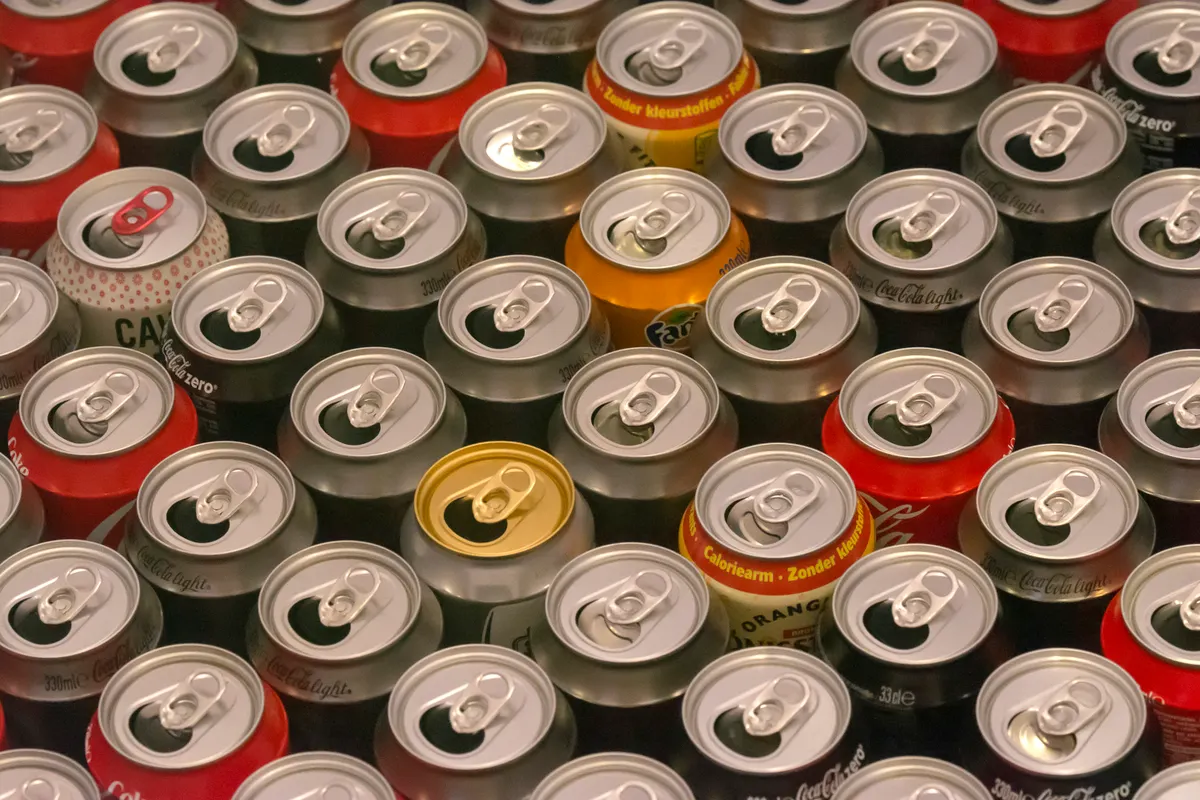
The Schwartz’s deli cherry soda that generations of Montreal visitors came to regard as part of the meal has gone, replaced by a locally made alternative after its American supplier quietly stopped production. The loss of the black cherry cola, a fixture at the famous deli for decades, turns out to have a larger story behind it, one that stretches from the counter in Montreal all the way to the trade policy coming out of Washington.
Eight years of dwindling supply
Schwartz’s had not been caught entirely off guard. The deli had been watching the cola’s supply dwindle for around eight years, as its distributor steadily wound down production in response to climbing aluminium costs. Cans were getting harder to source, and then harder still, but the expectation was always that supply would be squeezed rather than severed completely.
That expectation proved wrong. The cans disappeared from the supply chain altogether, leaving the deli without the drink it had served for so long. What had been a slow squeeze became a full stop.
According to Reddit’s r/Soda community, Schwartz’s has connected the final discontinuation of its staple cherry soda to rising aluminium costs linked to Donald Trump’s tariffs. Tariffs on aluminium imports have pushed up the cost of canned drinks across North America, and for a niche product like a black cherry soda with a limited distribution run, those added costs proved terminal.
The broader context matters here. Aluminium tariffs have been a recurring feature of trade friction between the United States and its neighbours. When the cost of the raw material climbs, manufacturers of lower-volume drinks tend to cut those lines first, the margins simply do not hold up. The Schwartz’s Cotts black cherry soda, beloved as it was by the deli’s regulars, was exactly that kind of product: a small-run, cult-favourite cola that could not absorb the cost pressure the way a mass-market brand might.
Schwartz’s deli cherry soda finds a local replacement
Faced with an empty shelf where the black cherry cola used to sit, Schwartz’s moved to source a locally produced version. The deli made the switch, and by most accounts the customers have taken it in their stride. The response has been, as the deli describes it, largely positive, which, given how attached regulars can become to the specific details of a much-loved restaurant experience, is no small thing.
There will always be purists who insist on the original, and the original is genuinely gone. But the fact that the replacement has landed reasonably well suggests that what people love about Schwartz’s is the smoked meat, the atmosphere and the institution itself, rather than the precise label on the can arriving beside the sandwich.
The episode is a small but pointed illustration of how trade policy ripples into unexpected places. A tariff on aluminium, set thousands of miles away in Washington, ends up reshaping what a famous Montreal deli pours into a glass. The supply chain connecting raw materials, manufacturers, distributors and restaurants is long and surprisingly fragile at its edges, and it is often the products with the most character and the smallest production runs that disappear first when costs shift.
BBC News first reported on Schwartz’s switch, with the deli saying its customers have largely embraced the new locally made drink. Whether that goodwill holds as the novelty fades will be the real test, but for now, the glasses are being filled, and the sandwiches keep coming.