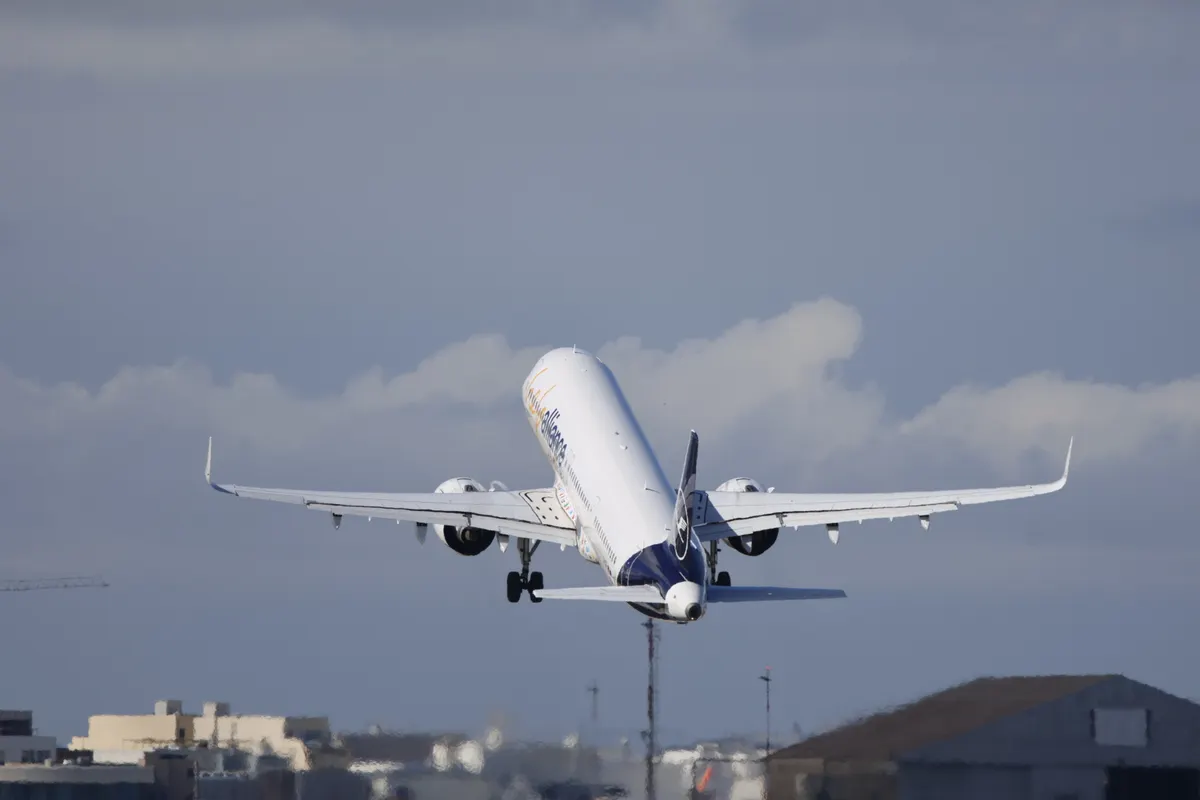
A Nats air traffic control failure is causing severe disruption to flights across the United Kingdom and Ireland, with departures paused or heavily restricted at Heathrow, Gatwick, Stansted, East Midlands and Dublin airports. Nats, the organisation responsible for managing airspace over the UK, said it was investigating a fault in its flight processing system and had engineers on site working to restore normal operations.
Heathrow saw departures initially paused around lunchtime. Traffic briefly resumed before further disruption took hold in the afternoon, and it is understood that very few flights are currently taking off. With aircraft unable to depart, landings are also being restricted, meaning some flights are being prevented from leaving overseas airports altogether.
Airlines cancel services as the Nats air traffic control failure takes hold
British Airways has cancelled a number of short-haul services and said it is prioritising long-haul departures. In a statement on its website, the airline told passengers who had not heard directly from the airline to travel to the airport as normal, adding that the situation was ‘entirely out of our control’.
Gatwick confirmed it was being affected, along with other airports. Easyjet, the largest carrier at Gatwick, said it too was hit and warned that, while the situation remained fluid, cancellations were to be expected. Ryanair said affected passengers would be notified.
Manchester Airport warned that some departing flights could be delayed. Edinburgh Airport said in a post on X that the disruption might affect its operations. Belfast’s two airports have both advised passengers to check flight information. In Ireland, Dublin and Cork airports are also experiencing delays.
East Midlands Airport confirmed it had been affected. Across the board, passengers have been advised to contact their airlines directly to check the status of their flights before travelling.
Scale of disruption and questions over the Nats air traffic control failure
The full scale of the chaos is only now becoming clear. According to the BBC, the failure led to more than 2,000 flights being cancelled, with hundreds of thousands of passengers affected. Some were left sleeping on airport floors, while others found themselves stranded overseas with no straightforward way home.
Nats chief executive Martin Rolfe, speaking to the BBC, said he would not resign over the incident. He described the root cause as a software defect that was ‘very, very obscure’, suggesting the fault was not the kind of routine technical problem that standard checks would routinely catch.
In its own statement, Nats apologised for the delays and said engineers were on site working urgently to resume normal operations as quickly as possible. The organisation said it would provide updates via its website at www.nats.aero and on X. Transport Secretary Heidi Alexander said she was aware of the situation and acknowledged it would be frustrating for passengers.
The disruption highlights the extent to which modern air travel depends on a small number of centralised systems. A single fault in Nats’ flight processing software was enough to bring departures across multiple major airports to a near-standstill, with the knock-on effects spreading to airports in other countries waiting to send aircraft to the UK.
For passengers still hoping to travel, airlines are advising them to check directly for the latest information on their specific flights rather than relying on airport departure boards. The situation remained fluid as of the time of writing, with Nats giving no confirmed timeline for a full return to normal service. Martin Rolfe told the BBC the organisation’s priority was to resolve the software defect and get passengers moving again.