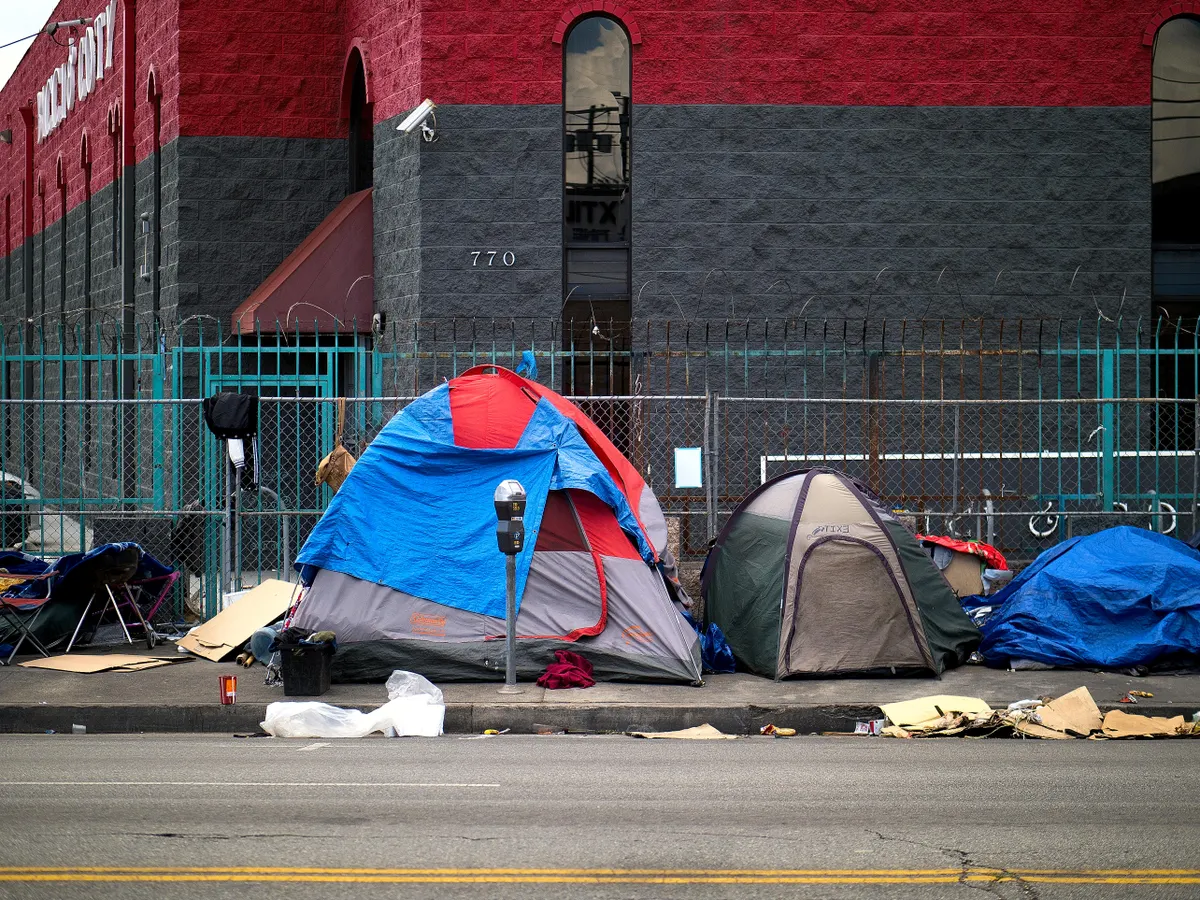
Rough sleeping in Harlow is rising, and the charity at the heart of the town’s response says that housing people is only the beginning of the problem. Streets2Homes, which works with people experiencing homelessness in the Essex town, was monitoring and supporting 31 rough sleepers when its chief spoke to BBC Politics East, a figure she described as high and still creeping upward.
The government has pledged £442m over three years to help end rough sleeping in England, a commitment that includes what BBC News reports as more than 1,000 homes to give rough sleepers permanent accommodation. The plan, steered by Andy Burnham, aims to offer everyone a route off the streets by Christmas.
But those working daily with rough sleepers say the ambition, welcome as it is, needs to be matched with intensive, long-term support that goes well beyond a roof.
Rough sleeping Harlow support: what the numbers show
According to Streets2Homes data, the average nightly number of rough sleepers in Harlow in the 12 months to the end of July 2026 was 30% higher than the previous year. Kerrie Eastman, who has run the charity since 2010, points to the cost of living and the gap between what housing benefit covers and what landlords charge.
The local housing allowance in Harlow stands at £451.34 a month for private shared accommodation and £810 for a one-bedroom home. But rooms in shared houses in the town can run to around £730 a month. According to the Office for National Statistics, the average rent for a one-bedroom home in Harlow was £1,021 in July, well above the allowance cap.
‘We are finding it more and more difficult to house people,’ Eastman says. The shortfall between what the allowance covers and what the market demands leaves little room for the charity to manoeuvre, however creative it tries to be.
A model that works, but needs more resource
Streets2Homes has nine bedrooms across two Victorian cottages in Harlow, with a support worker on site from 09:00 to midnight and someone on call through the night. In the seven years the charity has held the cottages, just five people have returned to the streets, a record Eastman is quietly proud of. In June, the charity also took the keys to eight one-bedroom modular pods gifted by the Hill Group, an Essex-based developer.
The approach works precisely because it does not stop at shelter. Eastman says rough sleepers with complex needs and chaotic lifestyles require mental health nurses, intensive support and sustained follow-up. ‘It’s not just about putting a roof over someone’s head,’ she says. The charity, she adds, does not have the resources to provide everything those people need.
Bill Lewis knows that territory from the inside. He was living in a tent in gardens near St Paul’s church in Harlow in the winter of 2017, then aged 34, after becoming homeless at the end of October. He describes street life as lonely, destitute and tough, and says his ‘biggest downfall’ was taking cocaine to get through night shifts as a warehouse worker. The cycle of stimulant use and sleeplessness unravelled his life. With help from Streets2Homes he got briefly off the streets by mid-December, but on New Year’s Eve he says he ‘relapsed on the drugs’ and spent the next three months in crisis. He was back sleeping rough between March and July 2018.
Lewis, now 43, credits the charity and religion for keeping him off the streets and clear of drugs. He went on to volunteer for Streets2Homes and now works for the organisation as an outreach project worker. He is sceptical about whether the government target will be met. ‘I doubt that’s going to happen,’ he says. Getting people off the street is ‘great’, he acknowledges, but warns that without the right kind of accommodation and ongoing, intensive support, ‘within six months, they’re going to be failing their tenancy and back on the streets again.’
‘It’s not just a housing issue,’ Lewis says. ‘What’s next after that?’
Harlow’s Labour MP Chris Vince, who also worked for Streets2Homes as a project outreach worker, describes Burnham’s target as ambitious but achievable. He points to the speed with which people were housed during the pandemic as proof the system can move fast when it has to. He says he has told Housing Secretary Angela Rayner that the scheme must include additional support alongside accommodation. ‘It’s absolutely about that housing-first approach,’ he says, ‘but it’s also about that support we provide as well.’
The government says the £442m commitment, which BBC News reports includes an additional £102m in new funding, will provide emergency accommodation and practical help with housing, health and other needs. Whether the money stretches far enough to reach those with the most complex needs is the question Streets2Homes is already putting to ministers.