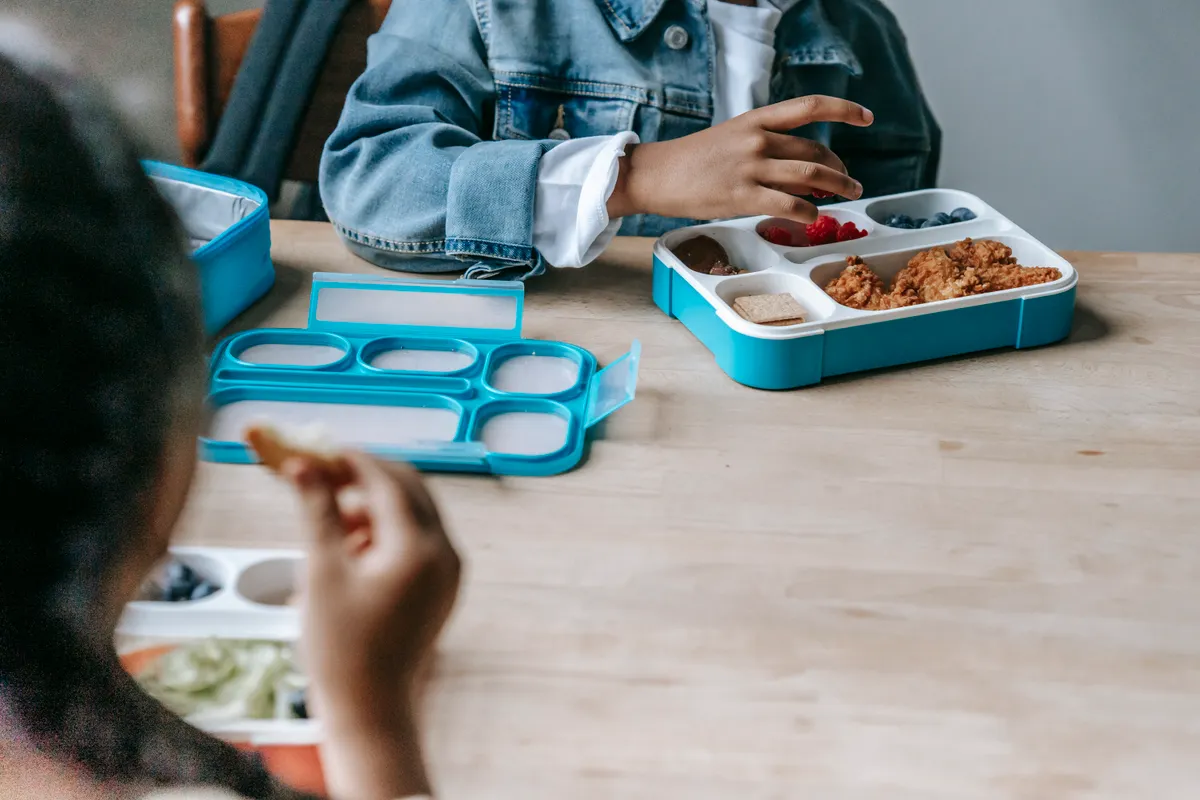
A Jersey politician has called for greater investment in healthy food for schoolchildren, arguing that cost-of-living pressures were not properly weighed when the government decided to scrap a free fruit trial in primary schools. BBC Jersey reports that Deputy Louise Doublet said the ending of the free fruit scheme had been hard for some families at a time when living costs are still rising.
Since 2024, children in four Jersey primary schools have received apples, bananas and other fruit as part of a pilot programme. The scheme has now been wound down.
Why the scheme was ended
Minister for Education and Lifelong Learning Catherine Curtis ended the trial on the grounds that too little fruit was being eaten and too much was going to waste. In a debate in the States Assembly on 29 September, Curtis told members the programme had not produced much of an increase in children actually consuming fruit and vegetables. In October 2026, BBC News reported that Curtis had said the scheme was “well-received by pupils, parents and staff, and successful in raising awareness of healthy eating,” but that “it resulted in only modest increases in fruit consumption.”
Curtis also said parents had asked for fruit to be folded into the school food programme rather than offered separately. The government announced in September that fresh fruit would be included in a school food programme providing hot meals to government primary schools across the island.
Deputy Doublet’s case for more investment
Doublet said she accepted the minister’s evidence about consumption levels, but argued the scheme’s benefits for household budgets had not been measured. ‘To have that taken away at a time when the cost of living is still increasing I think has been quite hard for some families,’ she said.
‘Personally I would like to see more investment in healthy food especially if it’s locally grown food to help families with the cost of living,’ Doublet added. She also called for the funded meals to be extended further, saying they help reduce costs for parents while providing healthy food for children.
Asked about a contract with UK company Apetito Limited to supply hot school meals to government primary schools, Doublet described it as the ‘best available option’. She said she understood people’s concerns about the freshness of the food, but added that her ‘understanding is that the meals are actually frozen rather than artificially preserved.’
The Government of Jersey has been approached for a comment on the cost-of-living aspects raised by Doublet.