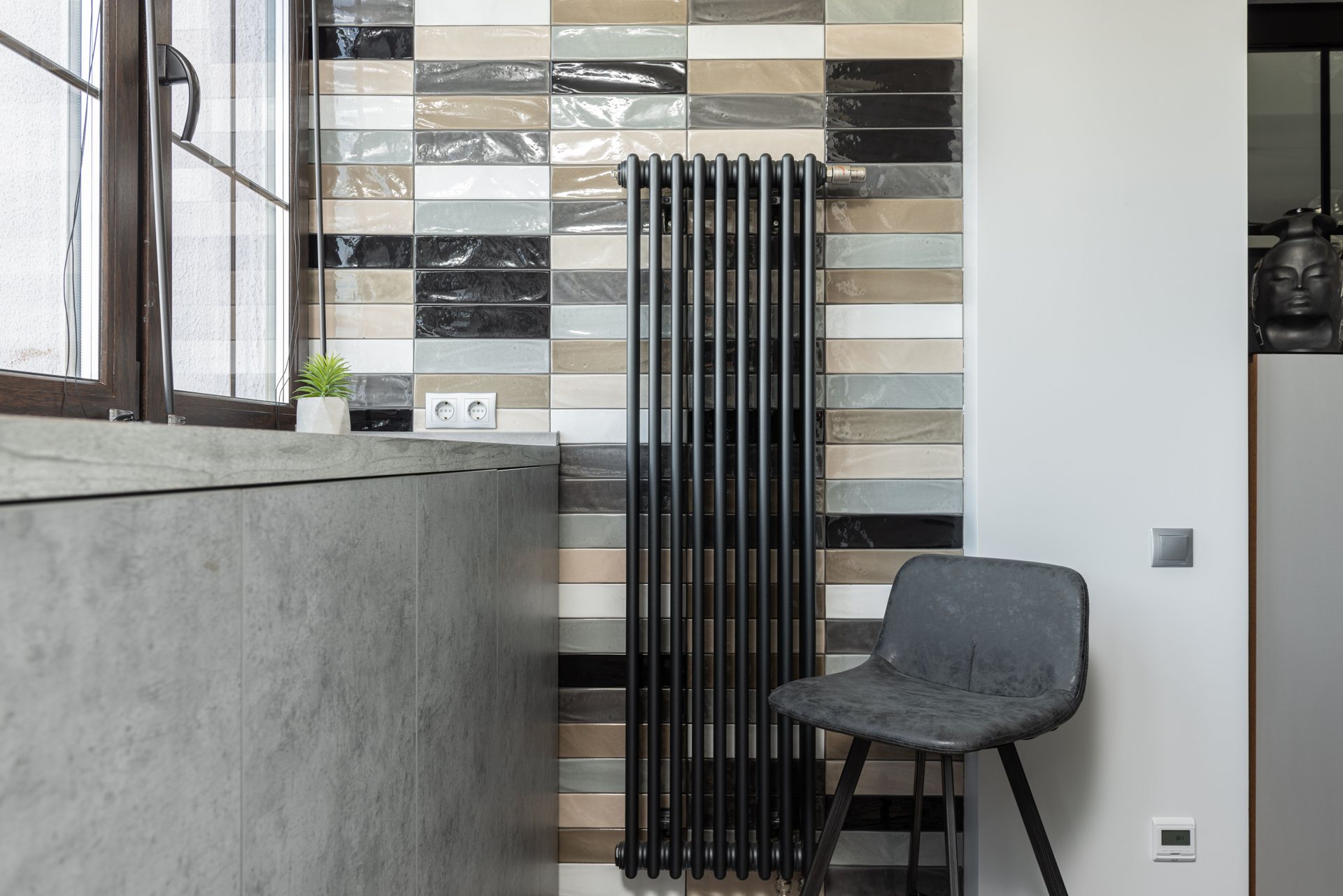
Rising Energy Costs Highlight The Importance Of Radiator Efficiency
With gas and electricity prices set to rise by 26% from January under the government’s revised energy price cap, homeowners across the UK are paying closer attention to the efficiency of their heating systems. According to Ofgem, the increase has been driven by higher wholesale costs faced by suppliers, with market pressures linked primarily to the Iran war.
As households prepare for another winter of elevated energy bills, improving heating efficiency is becoming a major priority. While insulation, smart thermostats and energy-saving habits all have an important role to play, the performance of a home’s heating system remains one of the biggest factors influencing overall energy consumption.
At the heart of many traditional heating systems are radiators, which continue to provide reliable and effective heating for millions of properties throughout the UK and Ireland.
Why Radiator Efficiency Matters
Heating accounts for a significant proportion of household energy usage, particularly during the colder months. Even small improvements in heating efficiency can have a noticeable impact on comfort levels and energy consumption over time.
Efficient radiators transfer heat effectively into living spaces, allowing rooms to reach comfortable temperatures more quickly and maintain them more consistently. When radiators perform as intended, boilers and heating systems may not need to work as hard or operate for as long.
However, like any part of a home’s infrastructure, radiators can become less efficient over time. Internal sludge accumulation, trapped air, corrosion and general ageing can all affect performance.
As energy prices continue to climb, ensuring existing systems are operating efficiently has become more important than ever.
Common Factors That Affect Performance
Many homeowners are unaware that heating systems often lose efficiency gradually over time. Because reductions in performance are usually slow, they can go unnoticed for years.
One of the most common issues is trapped air within the system. Air pockets can prevent hot water from circulating properly, creating cold spots at the top of radiators and reducing overall heat output.
Similarly, sludge and debris can collect within older systems. These deposits restrict water flow, lower efficiency and create uneven heating throughout the property.
Poor balancing can also contribute to problems. When a heating system is not correctly balanced, some radiators may become excessively hot while others struggle to warm up fully.
Addressing these issues through routine maintenance can often restore a significant amount of lost performance.
The Benefits Of Modern Radiator Design
Radiator technology has evolved significantly over the years. While the basic principle remains largely unchanged, modern manufacturing techniques have produced products that deliver more effective heat distribution and improved responsiveness.
Many modern radiators are designed to maximise surface area and optimise heat transfer, helping rooms reach desired temperatures more efficiently.
Improved materials, better engineering and contemporary designs have also contributed to enhanced durability and performance.
For homeowners undertaking renovations or upgrading their heating systems, replacing outdated radiators may offer an opportunity to improve both energy efficiency and interior aesthetics.
While every property is different, modern products are often designed with efficiency as a key consideration.
Creating More Consistent Room Temperatures
One of the biggest advantages of efficient heating systems is their ability to provide more consistent temperatures throughout the home.
Poorly performing radiators can lead to uneven heating, forcing occupants to compensate by turning up thermostats or increasing heating times. This can create unnecessary energy use while still leaving certain areas feeling cold.
Effective heat distribution helps create a more balanced and comfortable environment. Rooms warm up more predictably and maintain stable temperatures, reducing the need for constant adjustments.
This can be particularly beneficial during periods of rising energy costs, when every unit of energy carries a greater financial impact.
The Growing Focus On Energy Efficiency
The latest increase in the energy price cap has renewed focus on household efficiency measures across the country.
Many homeowners are evaluating everything from insulation levels and glazing to heating controls and appliance usage. Heating systems naturally form a major part of these assessments because they represent one of the largest areas of energy consumption.
For those considering improvements, understanding the role of efficient radiators can be an important part of the decision-making process.
The goal is no longer simply generating heat. Increasingly, households are asking how that heat can be delivered more effectively and with less waste.
Demand Remains Strong Across Ireland
Interest in heating efficiency is not limited to the UK. Searches for radiators Ireland have increased in recent years as property owners seek modern heating solutions capable of balancing comfort and energy performance.
Across a variety of property types, from older homes to new-build developments, efficient heating remains a key priority.
Consumers researching radiators Ireland are often seeking products that complement broader energy-efficiency improvements within the home. Whether upgrading existing systems or installing new heating infrastructure, performance and long-term operating costs are becoming increasingly important considerations.
As energy markets remain volatile, homeowners on both sides of the Irish Sea are paying closer attention to the technologies that help improve efficiency.
Maintenance Remains Essential
Even the most advanced heating equipment requires regular attention to perform at its best.
Basic maintenance tasks such as bleeding radiators, checking for cold spots and arranging periodic servicing can help identify potential issues before they become significant problems.
Monitoring the performance of individual radiators can also help highlight areas where maintenance or replacement may be beneficial.
Many heating specialists recommend periodic system flushing in older properties where sludge build-up may be restricting circulation and reducing efficiency.
These preventative measures can contribute to improved heating performance and help extend the lifespan of the system.
Looking Ahead To Another Costly Winter
The forthcoming rise in energy prices serves as another reminder that household heating efficiency remains more important than ever.
Although consumers cannot control wholesale market movements or global events, they can take practical steps to improve the performance of their heating systems.
Efficient radiators, routine maintenance and modern heating technology all contribute towards reducing unnecessary energy waste while maintaining comfortable living environments.
As households continue to face rising electricity and gas costs, attention is increasingly turning towards solutions that make better use of every unit of energy consumed. Whether through regular servicing, system optimisation or upgrading ageing equipment, improving radiator efficiency remains one of the most practical ways homeowners can enhance comfort while managing energy usage in a challenging economic climate.