President Donald Trump said he was indifferent to the possible collapse of Trump Iran negotiations, telling CNBC‘s Eamon Javers in a phone interview on Monday that he did not care whether talks with Tehran were over. ‘I really don’t care. I couldn’t care less,’ Trump said, adding that he thought the discussions had started to get ‘very boring.’
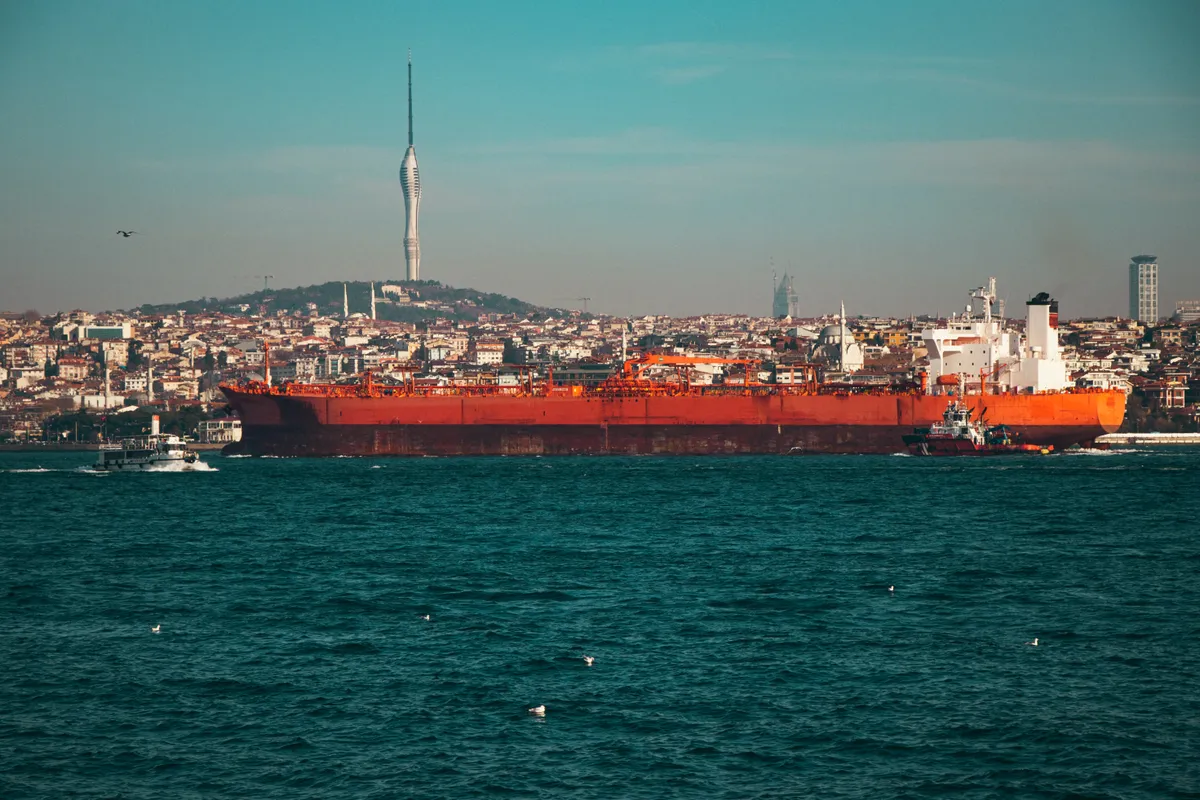
The call came after Iranian state news outlet Tasnim reported earlier that day that Tehran was halting negotiations with the United States and would move to ‘completely block’ the Strait of Hormuz, citing Israel’s military operations against Hezbollah in Lebanon. Oil prices spiked on the news, with Trump telling Javers he had seen crude up around 7% as they spoke.
Trump Iran negotiations CNBC: what the president actually said
Trump was relaxed about the apparent breakdown. ‘If they’re over, they’re over. If they’re not, you know, I think they took too much time,’ he told Javers. He said the Iranians had not told him directly that they were walking away, insisting they had only communicated that through media organisations. Asked whether it was time to formally end the U.S.-Iran ceasefire that remains nominally in place, Trump declined to answer directly, saying: ‘I sort of do [know what you’re asking]. Why would I tell you?’
His overriding concern, he said, was preventing Iran from acquiring a nuclear weapon. ‘If they want to try and have a nuclear weapon, I will blow them up to kingdom come,’ he said. On the oil price spike, Trump was dismissive, predicting prices would fall sharply once the situation resolved. He cited a figure of $1.85 a gallon he said he had seen in Iowa, and predicted petrol costs would return to that level quickly. ‘Once you explain that this is all about Iran having a nuclear weapon, people are willing to pay a little bit more,’ he said.
Trump also said Iran was losing $500 million a day because of what he described as a U.S. counter-blockade, and said the Iranians were free to continue absorbing that cost if they chose.
Lebanon ceasefire and the Hezbollah question
The conversation about Iran took place against the backdrop of fast-moving developments in Lebanon. According to AP News, Israel and Lebanon reached a U.S.-brokered agreement on Monday under which Israel would not strike Beirut’s southern suburbs and Hezbollah would end its attacks on northern Israel. The deal represented a significant de-escalation after weeks of cross-border fire.
Trump confirmed in a post on Truth Social that he had held ‘a very productive call’ with Israeli Prime Minister Benjamin Netanyahu. ‘There will be no Troops going to Beirut, and any Troops that are on their way, have already been turned back,’ Trump wrote. He also said he had spoken with Hezbollah ‘through highly placed Representatives,’ and said ‘they agreed that all shooting will stop, That Israel will not attack them, and they will not attack Israel.’
Netanyahu, posting on X later on Monday, gave a different emphasis. He said he told Trump that ‘if Hezbollah does not cease attacking our cities and citizens, Israel will attack terror targets in Beirut,’ adding that Israel’s stance ‘remains unchanged’ and that the Israel Defence Forces would ‘continue to operate as planned in southern Lebanon.’
In a separate post, Trump wrote that ‘Talks are continuing, at a rapid pace, with the Islamic Republic of Iran,’ in apparent contradiction of both the Iranian state media reports and his own shrug during the CNBC call.
NATO and the Strait of Hormuz
Trump told Javers that NATO allies should ‘come in and help us out’ because Europe depends on oil flowing through the Hormuz Strait far more than the United States does. ‘We don’t need it, we have a lot of oil,’ he said. But when asked whether he had actually reached out to the alliance, Trump said he had not, and was not sure he wanted to. ‘We don’t need NATO,’ he said, claiming the alliance had told Washington it would help only once the war was over.
He insisted the strait was already effectively open, pointing to vessel movements over the previous week, and said the U.S. counter-blockade was ‘a lot tougher’ than Iran’s. With Iran reportedly losing $500 million a day under those conditions, Trump suggested the pressure was already doing its work, leaving Tehran with little leverage in any resumption of talks.