The Harvey Nichols Frasers Group acquisition has been confirmed, with Mike Ashley’s retail empire taking control of the 200-year-old luxury department store out of administration, while warning that a ‘significant restructuring’ will be needed to keep the business viable.
Frasers Group, which owns Sports Direct, Flannels and House of Fraser among other brands, will take ownership of Harvey Nichols’s flagship Knightsbridge store, its other UK locations and its international franchise operations. Reuters reports that the deal brings to an end 35 years of ownership under Hong Kong-based businessman Sir Dickson Poon, who bought the group in 1991 and put it up for sale earlier this year.
Harvey Nichols Frasers Group acquisition: what is included in the deal
Frasers will acquire the online business alongside the physical stores, and shops will continue to operate under their existing licensing arrangements. Harvey Nichols’s UK stores outside London are in Manchester, Birmingham, Bristol, Leeds and Edinburgh. According to Yahoo Finance, the business also operates internationally, with a presence in Doha, Dubai, Hong Kong, Kuwait and Riyadh, a global footprint that gives the deal considerable scope beyond the British high street.
One element excluded from the transaction is Harvey Nichols’s restaurant at the Oxo Tower in London, which is being sold off separately.
The store carries more than 800 premium and luxury brands and employs over 1,000 people. Lindsay Hallam, senior managing director of administrator FTI Consulting, said she was ‘pleased to have secured a buyer, providing continuity for Harvey Nichols and enabling it to move forward under new ownership.’ She added that the transaction ‘secures more than 1,000 jobs and provides a strong platform for its next chapter.’
A restructuring ahead for a store that ‘looks really tired’
Michael Murray, Frasers’ chief executive and Ashley’s son-in-law, called Harvey Nichols ‘a British institution with significant potential’ but was direct about the scale of the task ahead. ‘Clear meaningful change is needed,’ he said. ‘The turnaround will require tough choices and we are prepared to make those decisions, even if that means a smaller business in the near term, to create a stronger and more sustainable Harvey Nichols for the long-term.’
Frasers said it will need to review the store’s portfolio, structure and cost base. The group’s arrival follows a period of serious strain: Harvey Nichols had appointed administrators in June, and its latest accounts warned it would need to ‘cease trading’ within a year if it failed to secure new investment. The firm had faced, in its own words, ‘sustained trading and operational challenges.’
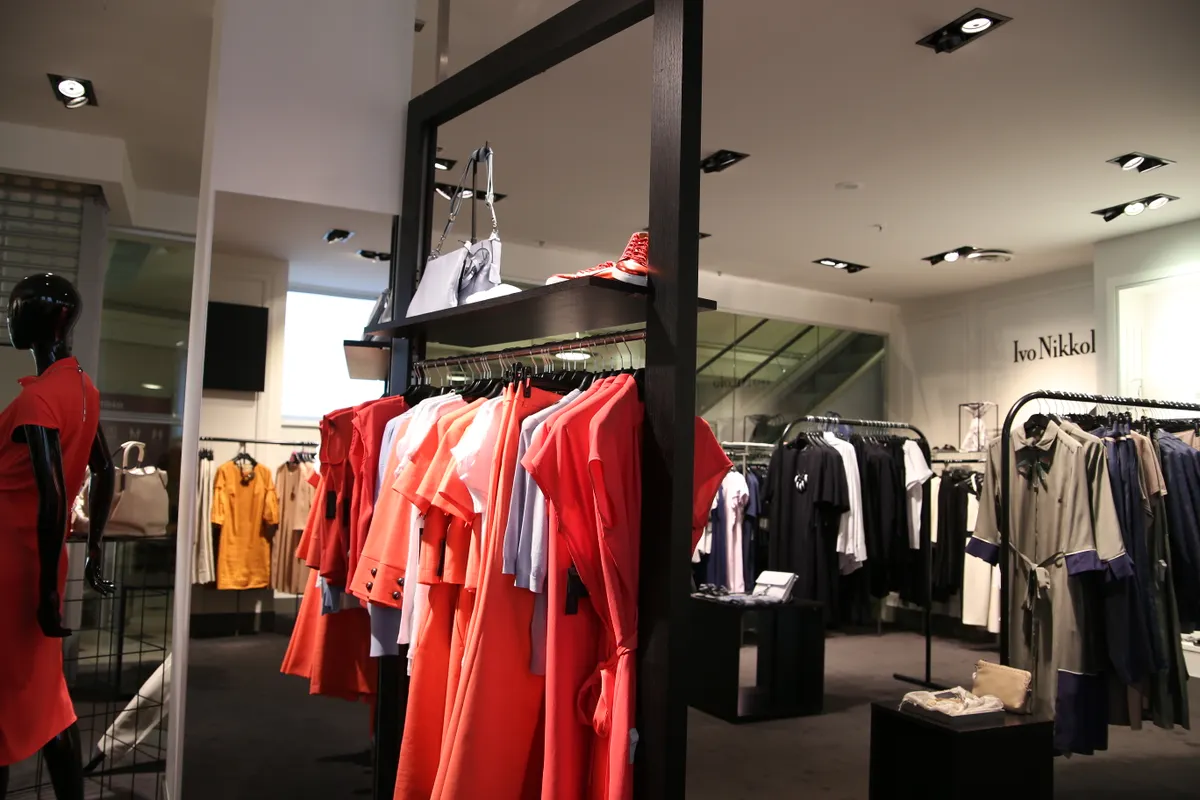
Catherine Shuttleworth, retail expert and boss of Savvy Marketing, offered a blunt street-level assessment. ‘If you go into a Harvey Nicks store (and I did last week) they look terrible, they look really tired and basically they’ve suffered from a lack of investment,’ she told BBC Wake Up to Money. She added that department stores ‘are cash-hungry monsters, they need investing, they need to look good and if you’re at the top of the luxury market that’s got to be constant.’
A recent auction saw Frasers battle retail rival Next to take control of the firm, underlining the competitive interest in the brand despite its difficulties.
Harvey Nichols chief executive Julia Goddard said the deal marked ‘an important milestone’ and ‘provides a strong platform for the next phase of the business’s evolution.’ She added that over the past year the company had made ‘significant progress in repositioning this iconic business, investing in our flagship store, broadening our customer proposition, and strengthening the brand DNA.’
Frasers’ push into luxury retail
The Harvey Nichols Frasers Group acquisition fits a clear strategic pattern. Frasers has spent years buying upmarket retailers, including Savile Row tailor Gieves & Hawkes, luxury lingerie brand Agent Provocateur and fashion chain Flannels. The group recently launched a takeover approach for German brand Hugo Boss, in which it already holds a stake.
Shuttleworth argued that the Flannels blueprint is the relevant guide for what comes next. ‘If you look at what the group have done with Flannels, [Harvey Nichols] is going to be more Flannel-esque than it is going to be Sports Direct-esque,’ she said, suggesting Murray has ‘got his finger right on the pulse of how those [young] shoppers shop.’
The broader luxury market presents a demanding backdrop. TheIndustry.fashion reports that Harrods, the Knightsbridge rival, returned to profit with turnover of £1.08 billion and a pre-tax profit of £84.9 million for the 52 weeks to 31 January 2026, underlining the scale of investment and performance that the luxury end of the market can sustain, and the distance Harvey Nichols will need to travel under new ownership.
Murray’s stated willingness to accept a ‘smaller business in the near term’ suggests the immediate priority will be cutting costs and closing underperforming operations before any expansion is considered.