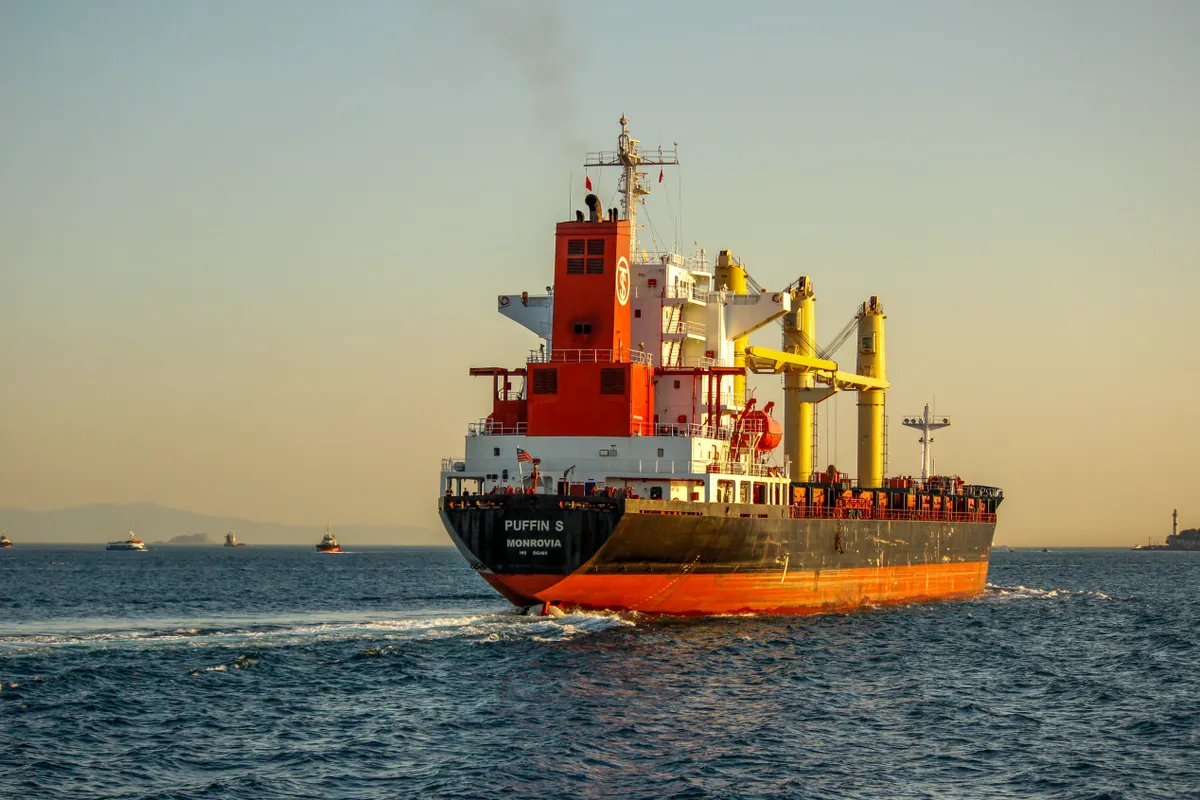
The Houthi capture of Mokha, a port city on Yemen’s Red Sea coast, has handed the Iran-backed militant group a tighter hold over one of the world’s most critical shipping corridors, raising fears for global trade and oil supplies. The fall of Mokha was reported by The Associated Press, citing Yemeni and Houthi officials, though CNBC said it could not independently confirm the account.
Mokha sits roughly 75 kilometres north of the Bab el-Mandeb Strait, the narrow waterway linking the Red Sea to the Gulf of Aden and, beyond it, to global markets. The city also gave its name to Mocha coffee. Its loss is regarded as a severe setback for Saudi Arabia and the Yemeni forces it backs, raising the prospect of the Houthis exerting far greater influence over shipping that passes through the strait.
Houthi capture of Mokha: what it means for the Bab el-Mandeb
The strategic weight of the Bab el-Mandeb has grown since the start of the US and Israel’s war against Iran in late February, with the waterway becoming an alternative route for crude oil moving toward Asia. Now, with Mokha in Houthi hands, analysts are warning that threats or attacks on Red Sea shipping could intensify.
Hamish Kinnear, principal Middle East and North Africa analyst at risk intelligence company Verisk Maplecroft, described the capture as a “major blow” to Saudi Arabia. ‘The Houthis were already threatening Saudi shipping from previous positions, but their capture of Mocha opens up the possibility of further advances towards the Bab el-Mandeb coastline and a tighter grip on the chokepoint,’ Kinnear said in a research note.
The situation on the strait itself has deteriorated further. According to NBC News, citing multiple sources, Houthi forces have also captured Perim, an island sitting in the middle of the Bab el-Mandeb Strait. That development places the group in a position to monitor and threaten vessel movements through one of the world’s busiest maritime passages directly.
The human cost of this campaign has already been felt. The Middle East Forum reports that a Houthi attack on the Egyptian-owned cargo ship Tihamah near Perim Island in the Bab el-Mandeb killed four crew members and two Yemeni rescuers. The US Maritime Administration has recorded more than 100 Houthi attacks on commercial vessels between November 2023 and October 2025, affecting shipping from more than 60 nations, the Middle East Forum also reports.
In January 2024, the Houthis were redesignated as a terrorist organisation in response to their attacks on ships in the Red Sea and Gulf of Aden, according to the Council on Foreign Relations.
Oil markets feel the pressure as conflict drags on
The Houthi capture of Mokha has coincided with a period of elevated oil prices. Both major benchmarks were on course to end the week above $100 per barrel for the first time since mid-May. International benchmark Brent crude futures with November expiry traded 2.1% lower on Friday morning at $105.37 per barrel, while US West Texas Intermediate futures with October expiry were 1.7% lower at $100.76.
Strategists at ING said the resilience of the oil market is being tested by a clearer recognition of the mounting threat to regional supply, with energy market participants repricing both the duration and severity of the conflict. Even as flows continue through the Strait of Hormuz, ING’s strategists said those flows remain well below pre-war levels.
‘Saudi energy infrastructure and crude oil exports from the Red Sea are increasingly at risk, with the Houthis in Yemen targeting Saudi Arabia,’ ING’s Warren Patterson and Ewa Manthey said in a research note published Friday. ‘As the Houthis have taken control of the Red Sea port of Mokha in Yemen, recent events increase the threat to shipping around the Bab al-Mandeb Strait,’ they added.
Kinnear, for his part, said both Tehran and Washington believe time is on their side, making a new truce unlikely for now. ‘Oil and gas prices, and more specifically refined products such as diesel, will continue to tick upwards while that remains the case, even if US convoys and Strait of Hormuz export alternatives cushion the price impact,’ he said. With Perim Island now reportedly under Houthi control and Mokha secured, the group’s ability to act on those threats has grown considerably.