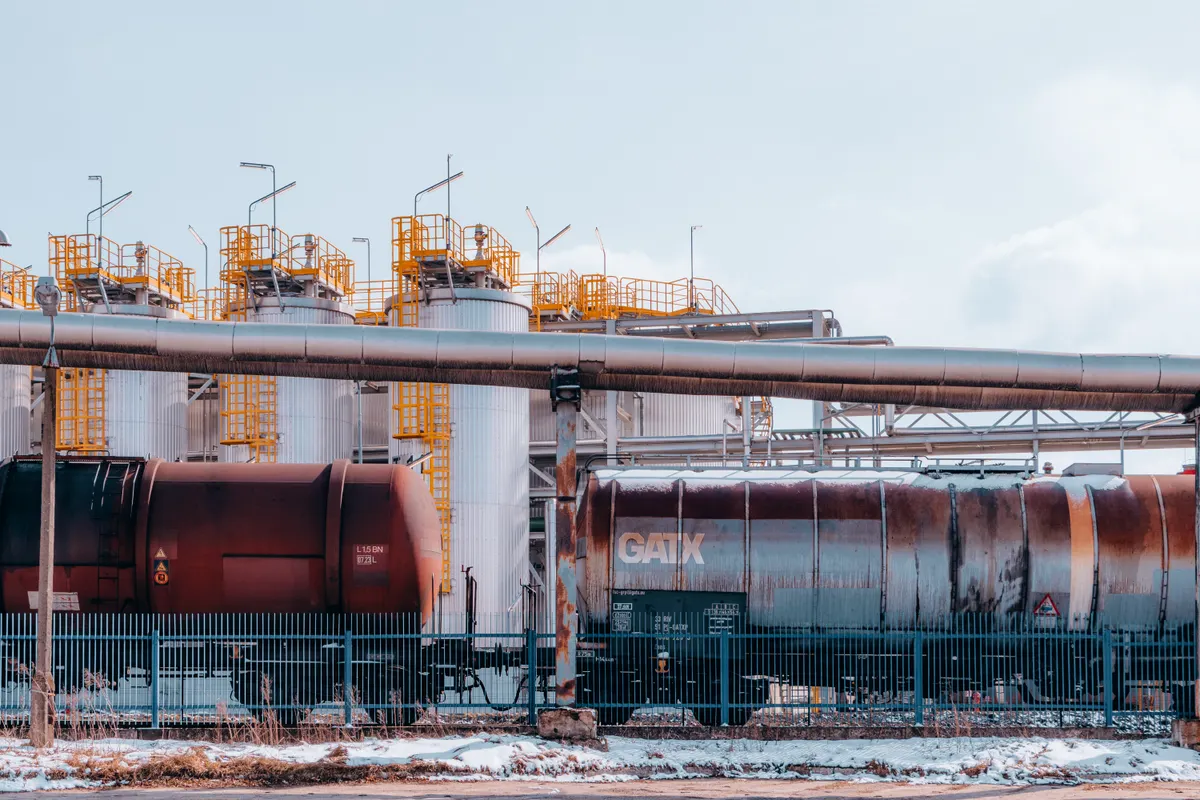
The US diesel price record high of $6.06 per gallon, reached for the first time, is sending shockwaves through the broader economy, as wars in Ukraine and the Middle East throttle global fuel supplies and leave refineries with nowhere left to run.
Diesel, which powers the trucks, trains and ships that move goods across the country, as well as the farm machinery that grows the food on American plates, has hit a level that analysts say will hurt consumers well beyond the petrol station forecourt. Truckers and farmers are paying about 63% more to fill their vehicles than at this point last year, according to data from AAA. In California, prices are even steeper at $7.98 per gallon.
Why the US diesel price record high is hitting consumers hard
The higher cost does not stay at the pump. It travels through the supply chain and lands on shop shelves, in energy bills, and in the price of food. Americans are spending about $700 million more per day on petrol and diesel combined than they were a year ago, according to Patrick De Haan, head of petroleum analysis at GasBuddy.
‘There’s sticker shock there for consumers,’ De Haan said. He added that diesel prices at these levels will act as a ‘silent killer’ for the economy, warning that gasoline prices have also never been this high this late in the year, with a Labour Day record of $4.15 per gallon hit earlier this week.
Bob McNally, president of Rapidan Energy, told CNBC’s ‘The Exchange’ that diesel is more consequential than petrol prices even though consumers tend to watch the latter more closely. ‘It’s the more insidious, more costly, and more impactful fuel,’ McNally said. ‘As we climb higher, it is a real concern.’
Wars and refining capacity: a double squeeze
Two fronts are driving the supply crunch. Ukraine has struck Russian oil refineries repeatedly, prompting Moscow to ban diesel exports. According to Transport Topics, when that ban was in force during July and August, Russian diesel shipments fell by 615,000 barrels a day compared with the same months in 2025. Separately, Iran and its Houthi allies in Yemen have attacked refineries belonging to US Gulf allies and constrained fuel exports through the Strait of Hormuz by targeting tankers.
Gary Simmons, chief operating officer of Valero, said on the company’s July 30 earnings call that the wars in Eastern Europe and the Middle East have shut down refineries with about 5 million barrels per day of capacity. Andy Lipow, president of Lipow Oil Associates, put the global toll in even starker terms in a note, saying the world has lost nearly 8% of its diesel supply with little spare refining capacity available to cover the gap.
US crude oil futures topped $100 per barrel for the first time since May, having gained about 20% in September alone, adding further pressure to already stretched refining margins.
Helima Croft, head of global commodity strategy at RBC Capital Markets, described the situation as an ‘enormous challenge’ for the Trump administration. ‘US refineries are running at 98% utilisation rates, there is just no spare capacity,’ she said in a September interview with CNBC.
That picture is backed up by a longer trend. According to Energy Now, over the past 11 weeks US refinery utilisation rates have hovered above 95%, a sustained level not seen in more than 25 years. The system is, in effect, running flat out with almost no buffer.
Part of why that buffer is so thin traces back decades. Utah News Dispatch reports that only one refinery has been built in the United States in the past 50 years: a facility in Galveston, Texas, with a capacity of 45,000 barrels per day, meeting less than 0.2% of national demand. With no meaningful new capacity coming online and global supply disruptions showing no sign of easing, the pressure on diesel prices is unlikely to lift quickly.