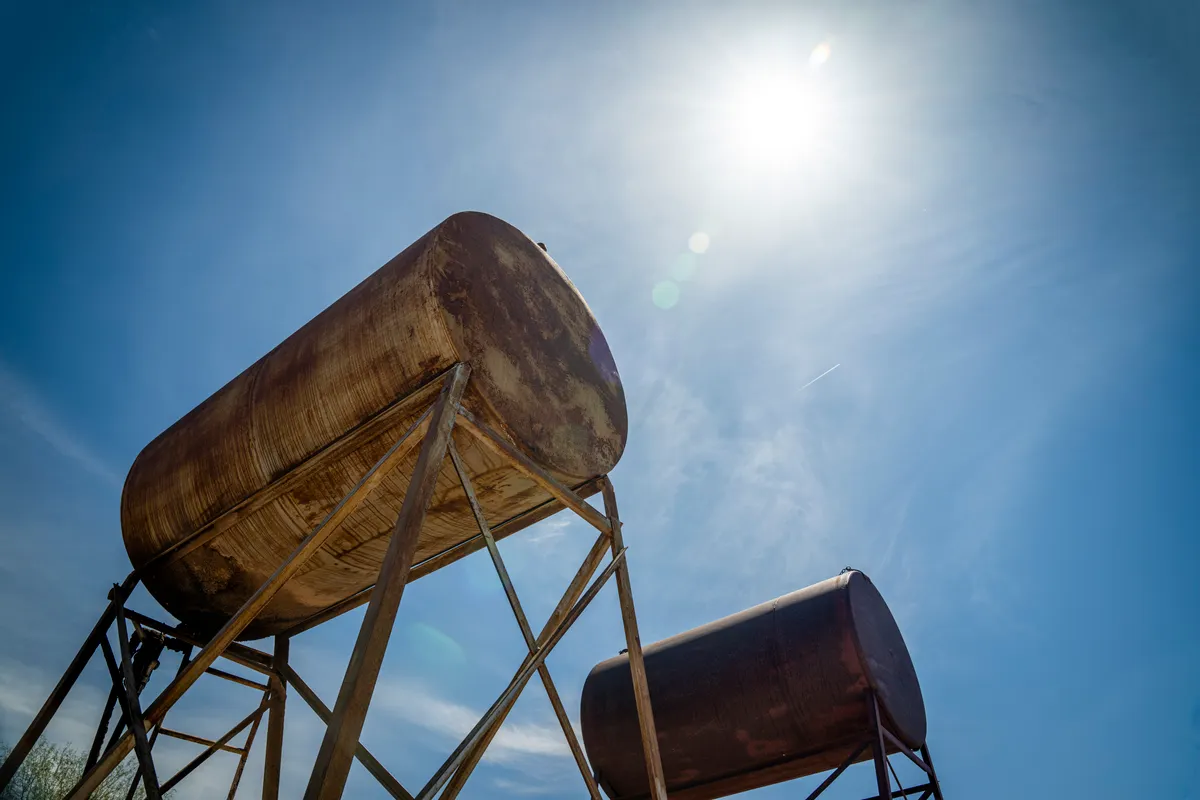
Residents in the South West of England say they are struggling to afford heating oil this winter after prices rose by as much as 82% following the outbreak of the US-Israeli war with Iran, the BBC reports. Many have delayed buying fuel in the hope that costs might fall, with some fearing they could go without heat entirely.
Heating oil is used by households that are not connected to the gas grid, a situation common in rural areas. The Energy Consumers Minister, Polly Billington, told the BBC that fuel costs had risen by up to 82% since the conflict began, and described rural communities as ‘some of the most exposed’ to the increases because of how many people live ‘off grid’.
What residents are paying
Nicola Sharpe, from Dunsford in Devon, said she paid about £340 for 500 litres at the same point a year ago; the same amount now costs her just over £600. ‘I’m looking at ways to spread the cost when I have to bite the bullet and get it,’ she said. Sharpe was unconvinced that government action would bring relief: ‘I can’t see how regulating it is going to bring costs down.’
Pauline Trubody, 76, from Porkellis in Cornwall, said she had already paid more across two deliveries of 500 litres than she had in previous years. ‘I probably won’t put it [the heating] on as much as I would have,’ she said. ‘There is going to be a lot of people who can’t afford it and folk who are going to go cold.’
Lee Fossey, from St Agnes in Cornwall, pays £30 a month into a savings scheme to spread her heating oil costs across the year. Even so, she said the price surge had overtaken her preparations. ‘I have done everything I reasonably can to budget and prepare for winter, yet despite this, the dramatic increase in prices means I can no longer afford to fill my tank,’ she said, adding that she now faced the prospect of no heating or switching to an alternative source.
Government action and its limits
The government announced plans earlier in October to regulate the heating oil market, promising to tighten rules, promote competition and give customers clearer routes to compensation when things go wrong. In October 2026, GOV.UK confirmed that ministers had accepted a Competition and Markets Authority recommendation to strengthen regulation in the sector. Rules requiring some customers to order a minimum of 500 litres at a time, meaning they must buy more fuel than they may actually need, would also be reviewed, the government said.
In October 2026, BBC News reported that a Competition and Markets Authority inquiry had found that 1,700 households were forced to ‘re-order at significantly higher prices or go without fuel’ after the war broke out, at a cost to them of up to £350. Households whose orders were cancelled and who faced higher prices were informed they had a right to compensation, according to the same report.
Billington said the government needed to ‘make sure the market is working as fairly as possible’. In March 2026, ministers announced a £53m support package aimed at low-income families who rely on heating oil. The government said it would work with the industry to develop a regulatory regime, with strengthened consumer protections in industry codes of conduct to apply in the shorter term.