UK inflation has risen to 3.5% and national debt has exceeded £3 trillion for the first time, while government borrowing is running ahead of official forecasts, a combination that sets out the constraints facing the chancellor as he finalises his Budget statement, due in the week of 26 October 2026. BBC News economics editor Faisal Islam reported that the figures illustrate a difficult balancing act: easing cost of living pressures on one side, while keeping the public finances credible on the other.
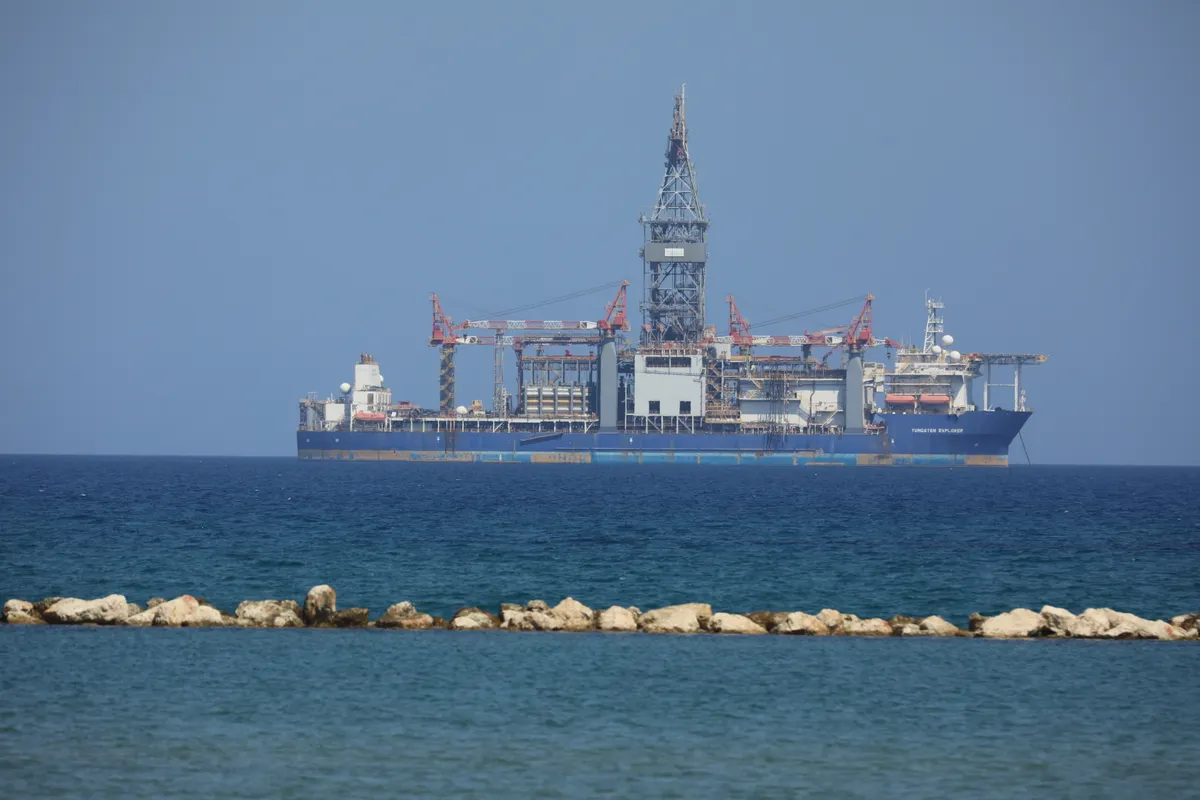
John Healey, the chancellor, was travelling to North East Scotland on 21 October to announce new North Sea energy approvals when the set of economic figures was released. The Jackdaw gas field decision, described in the source reporting as the start of a run of “pro growth” pre-Budget announcements, sends a directional message but will not, according to BBC News, fundamentally change the trade-off at the heart of the statement.
What the numbers show
The headline consumer price index (CPI) rate of 3.5% is heading back towards 4%, BBC News reported. Capital Economics expects the main inflation measure to reach a peak of 4.2% in 2027. While higher energy costs (with petrol and diesel prices surging, in some cases to records) were anticipated, other underlying measures of inflation also increased. Airfares and computer game download prices were cited as examples of price pressures that may be becoming more embedded rather than temporary.
The Bank of England watches services inflation and core inflation particularly closely. The services sector, which covers everything from law and banking to hospitality and tourism, makes up the vast majority of UK economic output. Rising inflation of this kind raises the odds of an interest rate increase at the Bank’s next decision. In September 2026, the Bank of England’s Monetary Policy Committee held Bank Rate at 3.75%, noting that energy prices remained volatile due to the Middle East conflict and that inflation was expected to rise further.
The cost of living trade-off
The September CPI figure matters beyond the headline rate. By law, welfare payments such as PIP and carer’s allowance are required to increase in line with the September CPI reading each April. The same figure also confirms that the Triple Lock will see the State Pension rise by 3.9% next April. Both commitments add to the pressure on public spending.
There is one area of relative calm: food price inflation remains largely unaffected by the energy shock, according to BBC News. Higher inflation at a time of frozen tax thresholds will raise more revenue in cash terms, but it will also push up the cost of public services, including likely pay demands from unions.
UK borrowing costs have risen alongside most other advanced economies as the US-Israel conflict with Iran has intensified. The chancellor did receive some support ahead of the statement: BBC News noted that the gap between UK borrowing costs and those of other G7 nations has narrowed somewhat, and that the IMF praised pencilled-in plans to reduce borrowing. Healey has said he wants to give “breathing space” to consumers once again feeling the heat from cost of living pressures, but the latest figures make plain the limits of what the Budget can offer on that front.