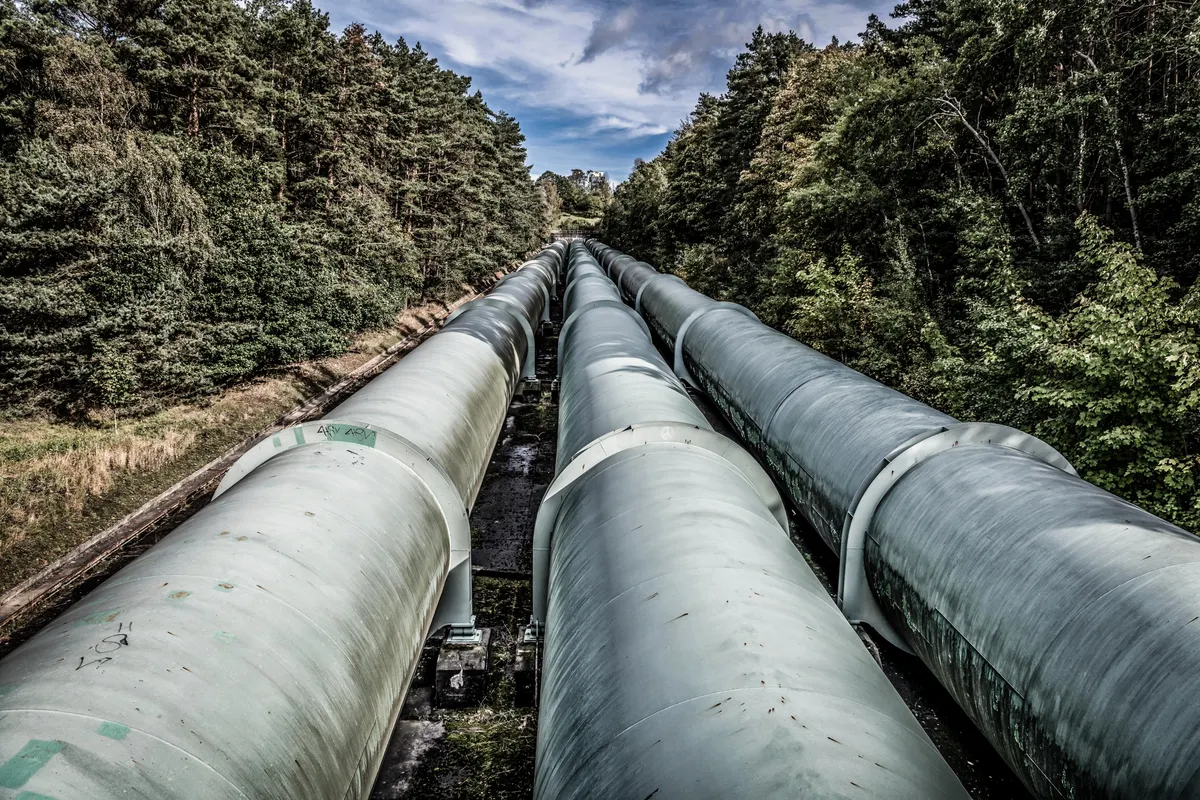
Saudi Arabia has shut down its East-West crude oil pipeline following multiple drone attacks launched from Iraq, in a move that underlines how vulnerable the kingdom’s energy infrastructure has become as conflict across the region intensifies. The Saudi East-West pipeline shutdown, described by authorities as a precautionary measure, came after drones struck the pipeline in the Riyadh and Medina regions on Thursday morning, causing fires, some damage, and injuries to several people.
Pumping stations hit, millions of barrels halted
The scale of the damage is becoming clearer. According to Reuters, three pumping stations serving the pipeline were damaged in the attack. Emergency teams were deployed to secure the line and assess its safety, the Saudi Energy Ministry said, adding that any further developments would be announced in due course.
Before the shutdown, Indian Express reports that roughly 4 million barrels a day were moving through the line. That is a considerable volume to remove from global supply at a moment when oil markets were already under pressure, and helps explain why prices reacted so sharply to news of the strike.
The pipeline itself has a stated capacity of 7 million barrels per day and runs across the kingdom to export terminals on the Red Sea, providing Saudi Arabia with a route for its crude that avoids the Persian Gulf entirely.
Why the Saudi East-West pipeline shutdown matters beyond Saudi Arabia
The pipeline’s importance has grown considerably since fighting escalated between the United States and Iran. The Strait of Hormuz, the narrow waterway through which a large share of the world’s seaborne oil passes, was effectively closed to normal commercial traffic on 28 February 2026, according to Kurdistan24. With that route blocked, the East-West pipeline became one of the few ways for Saudi crude to reach global markets.
Saudi Aramco’s chief executive Amin Nasser said last month that the East-West pipeline had played a bigger role in cushioning the oil supply disruption caused by the Iran war than the release of emergency crude reserves. That context gives the attack a significance that goes beyond the immediate damage to infrastructure.
Oil prices broke above $100 per barrel this week for the first time in months as fighting in the Middle East has intensified. Rumours about Thursday’s strike circulated during trading, and prices closed the week more than 8% higher. The attack on the pipeline may have contributed to that rally.
Saudi Arabia has chosen not to retaliate for now. The Saudi Foreign Ministry said Riyadh had decided to hold back in order to give the Iraqi government time to take measures to prevent attacks originating from its territory.
Iran-allied militants have stepped up attacks on Saudi Arabia in recent days. Houthi militants in Yemen launched strikes on the kingdom earlier this week that hit energy facilities and other civilian assets, injuring more than 70 people, the Saudi government said. The Houthis declared a maritime embargo against Saudi Arabia in July and have sought to disrupt the kingdom’s oil exports through the Bab el-Mandeb Strait, which connects the southern Red Sea to global markets.
The Saudi Energy Ministry has said it will provide further updates on the pipeline’s condition and the timeline for any restart as assessments continue.