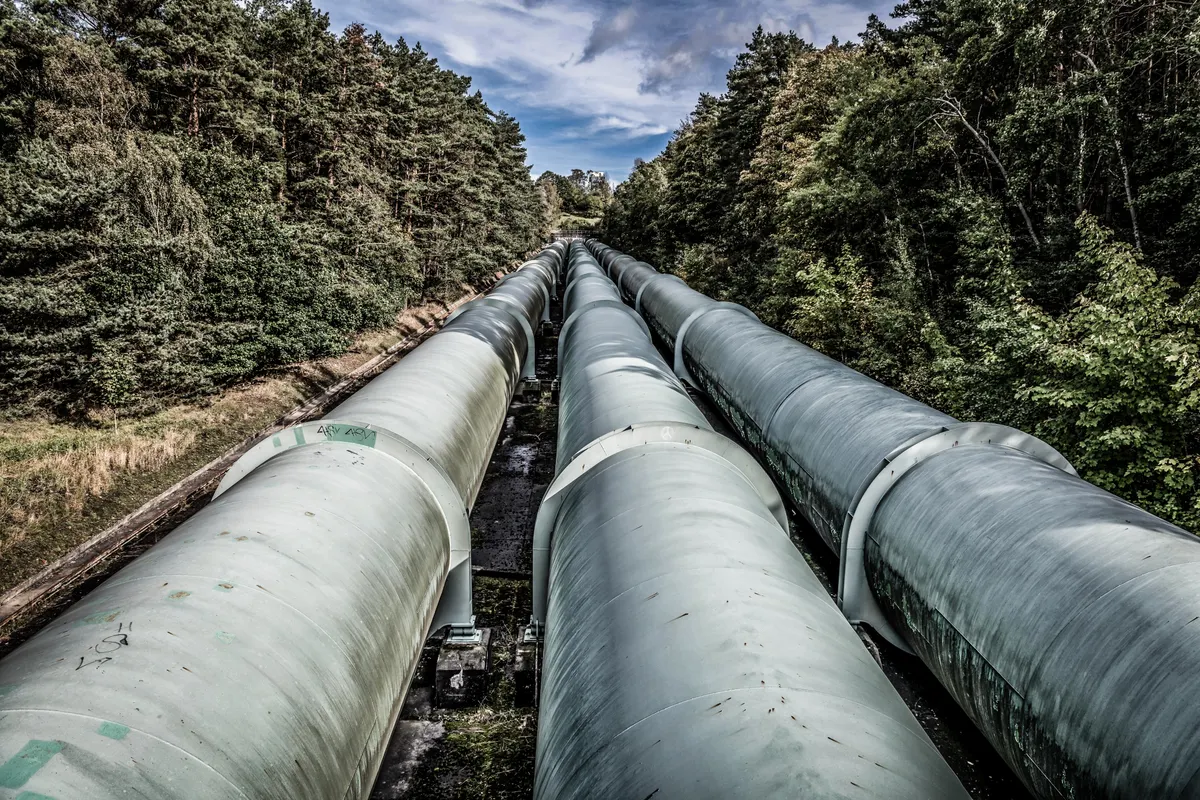
Oil markets lurched higher at the start of the week following the Saudi East-West pipeline attack, which forced the kingdom to close a critical artery carrying crude away from the increasingly volatile Strait of Hormuz. US West Texas Intermediate futures rose 2.89% to $102.94 per barrel, while Brent crude, the international benchmark, climbed 2.82% to $107.56 per barrel.
The pipeline, which spans the Arabian Peninsula for Al Jazeera describes as 1,200 kilometres (746 miles), connects Saudi Arabia’s oil-producing regions near the Persian Gulf to export terminals on its Red Sea coast. At full capacity, it can move seven million barrels of crude per day, giving it an outsized role in keeping oil flowing to global markets at a time when the Strait of Hormuz has become a contested waterway.
Drone strikes hit pump stations in Riyadh and Medina regions
According to Wikipedia’s account of the attack, drones targeted the pipeline on the morning of 10 September 2026, striking infrastructure in the Riyadh and Medina regions. The Saudi government said the strikes caused fires and damage to pump stations and left several people injured. The drones were launched from Iraq, and Riyadh has not publicly disclosed how badly the pipeline has been damaged or when it expects to reopen it.
The Saudi East-West pipeline attack dealt a blow to one of the few remaining routes for getting Saudi crude to market without passing through the Strait of Hormuz, a narrow channel that has been at the centre of a military confrontation between Iran and the United States.
A diplomatic meeting collapses as the security picture darkens
The closure arrived at a fraught moment for regional diplomacy. A meeting between Iran and Gulf Arab states, which had been arranged to take place in Salalah, Oman, on Monday, was called off just a day before it was due to begin. Oman’s Foreign Minister Badr Albusaidi announced the postponement in a social media post, writing: ‘In the interests of consensus the regional meeting set for tomorrow in Salalah has been postponed. We remain committed to fostering dialogue that supports stability and lasting cooperation in our region.’
The security situation around the Strait of Hormuz itself remained volatile. The UK Government‘s United Kingdom Maritime Trade Operations Center reported that another tanker came under attack, resulting in a severe fire on board.
Saudi Aramco chief executive Amin Nasser had previously argued, on the company’s August earnings call, that the pipeline had done more to stabilise oil markets than the large-scale release of strategic reserves led by the United States. That assessment makes its sudden closure all the more consequential for traders and importing nations alike. Saudi Aramco has not issued a separate statement on the timeline for repairs.
Saudi Arabia has been facing a run of attacks from Iran-allied groups in recent days. Houthi militants in Yemen struck energy facilities and other civilian assets in the kingdom early last week, injuring more than 70 people according to Saudi state media. The Houthis had already declared a maritime embargo of Saudi Arabia in July, and they have reportedly seized the strategic Perim Island in the Bab el-Mandeb Strait after taking the port city of Mokha on Yemen’s western coast. Control of those positions would give the group a stronger footing from which to disrupt oil flows through the Bab el-Mandeb, the waterway connecting the southern Red Sea to global shipping lanes.
The cumulative picture is one of mounting pressure on Saudi Arabia’s ability to export oil by any route. With the Strait of Hormuz contested, the Bab el-Mandeb at risk, and now the Saudi East-West pipeline attack shutting the kingdom’s main overland bypass, the options for moving crude without exposure to military threat are narrowing. Riyadh’s next public statement on the pipeline’s condition and repair timeline is likely to move markets significantly when it comes.