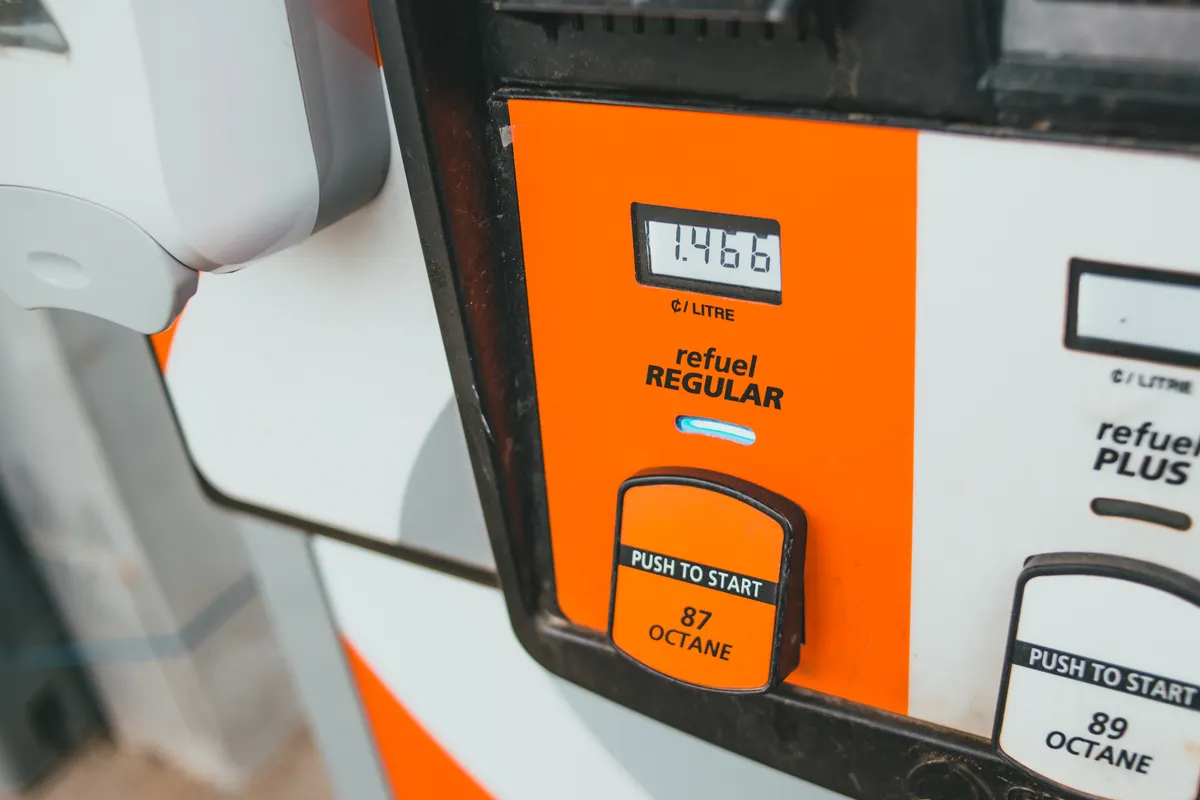
UK petrol and diesel prices have climbed back towards levels last seen during the energy shock of 2022, with petrol now averaging 169.68p a litre and diesel reaching 191.68p, as the war involving the US, Israel and Iran keeps the global oil market under severe strain.
The conflict has had an outsized effect on oil supplies because it effectively closed the Strait of Hormuz, the narrow waterway through which a large portion of the world’s traded energy passes. According to the International Energy Agency (IEA), an average of 20 million barrels per day of crude oil and oil products moved through the strait in 2025. Disruption to that flow has sent shockwaves through global energy markets.
How UK petrol diesel prices have moved since the conflict began
Before the fighting began, Brent crude, the global benchmark for wholesale oil, was trading at around $70 a barrel. The conflict sent it surging above $120 at its peak. A framework deal agreed in June between the US and Iran brought temporary relief, pushing the Brent price back down to near $70 and briefly pulling UK pump prices with it: as recently as July, petrol averaged 150.59p a litre and diesel 164.52p.
When peace talks collapsed, the price climbed back above $100. A brief retreat followed, but a fresh escalation in hostilities has pushed Brent above $100 once more. Analysts say that every $10 per barrel increase in the oil price pushes pump prices up by roughly 7p a litre, which goes some way to explaining the sharp rebound at the forecourt.
Simon Williams, head of policy at motoring organisation RAC, said there is ‘no end in sight to high pump prices’ for drivers. He put it in concrete terms: ‘This takes the cost of filling up a 55-litre family car with unleaded to over £93 and diesel to more than £105.’
Diesel at 191.68p a litre is now closing in on its all-time record of 199.05p, reached in June 2022. Petrol, at 169.68p, remains below its 2022 peak of 191.5p, though the gap has narrowed sharply over recent weeks. Because transporting oil is a slow process, movements in wholesale markets take roughly a fortnight to feed through to what drivers pay at the pump.
The logistics problem making the crisis worse
Beyond the raw supply disruption, a secondary problem has emerged in how oil is physically moving around the world. Oil exports from Iran have fallen almost to zero following the re-imposition of a US blockade in mid-July, down from 1.7 million barrels a day before the war began, according to BBC News. Most of the oil that does still transit the strait now moves via a shuttle system involving more than 60 large tankers operating back and forth, rather than through the normal flow of through-shipping.
That improvisational system carries a steep cost. Freight charges that once accounted for around 3% of the delivered price of a barrel of oil now represent roughly 27%, according to Reuters. Even if a deal to reopen the strait is struck, experts warn it will take time before normal shipping volumes resume, meaning the economic impact could persist for months.
About 20% of the world’s oil and liquefied natural gas normally passes through the waterway, making it one of the most consequential chokepoints in global trade. The UK, which is heavily reliant on oil and gas imports sourced primarily from the US and Norway, pays whatever the global market price dictates, regardless of where a specific cargo originates.
What the government and retailers are doing
Fuel retailers have rejected accusations of profiteering during the conflict. The official markets regulator stated it had ‘not seen evidence of retailers actively changing their pricing strategies to take advantage of the crisis.’ A government scheme called Fuel Finder lets drivers compare prices across petrol stations in the UK.
On duty, the then Prime Minister Sir Keir Starmer announced in May that a planned 5p increase in fuel duty, due in September, would be postponed until the end of December because of the conflict. RAC has since said there is ‘a very strong case’ for leaving fuel duty at its current level for at least the remainder of the Parliament, as drivers continue to absorb costs not seen since the darkest months of the 2022 energy crisis.